House of Ralfus Bitcoin Art Gallery at Bitcoin Histórico
11 and 12 November 2026.
Old rooms listen.
This one has listened for a century.
In November its great doors open. It hears the artists arrive.
Art of Sovereignty is here.
Stone floors. The Salón Rojo and the Salón Azul. Their colours undimmed since the day they were laid. Rooms where ambassadors were received and a republic once sat. Where in November original works by Salvadoran artists and artists from around the world will hang.
In the first country to make Bitcoin its own.
Works are chosen by Ralfy, Art Director and Curator.
The Gallery
Every work for sale is sold directly by its artist, in bitcoin. The gallery takes no commission. Collection is in person at the Palace.
Alurdes
A Salvadoran painter, illustrator and tattoo artist. Her training at the National Centre for the Arts (CENAR) has been central to her creative path. Acrylic is one of her favourite techniques, and she explores many ways of representing the world, from the expressiveness of caricature to the force of realism. Light, shadow and perspective are constants in her work. She also teaches drawing and painting to children.
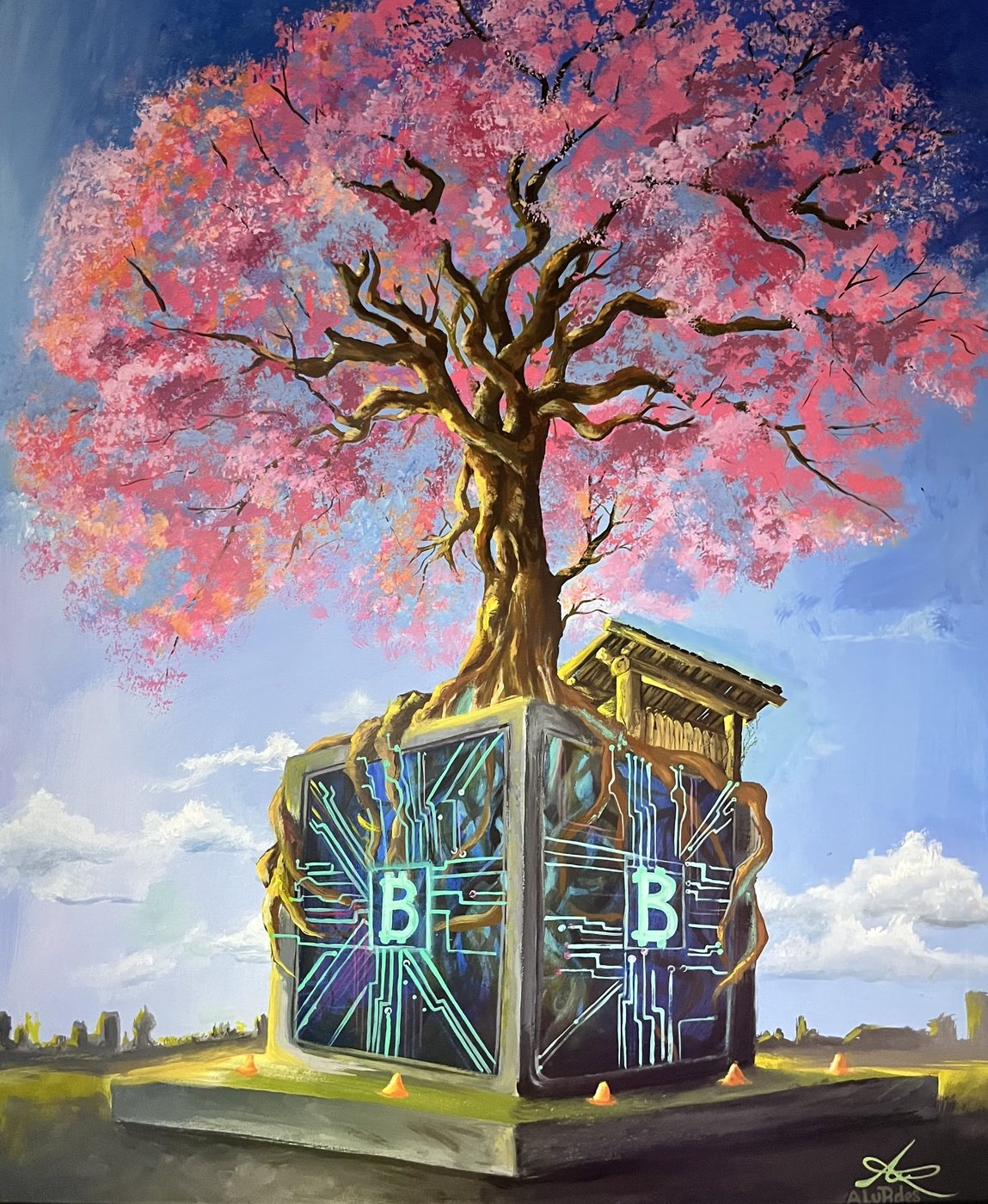
This tree represents the identity of El Salvador: its roots, culture and traditions. The house symbolises home, family and our customs, protected by our roots. Bitcoin represents a tool to grow and open new opportunities, showing that we can embrace innovation without losing our essence or what defines us.
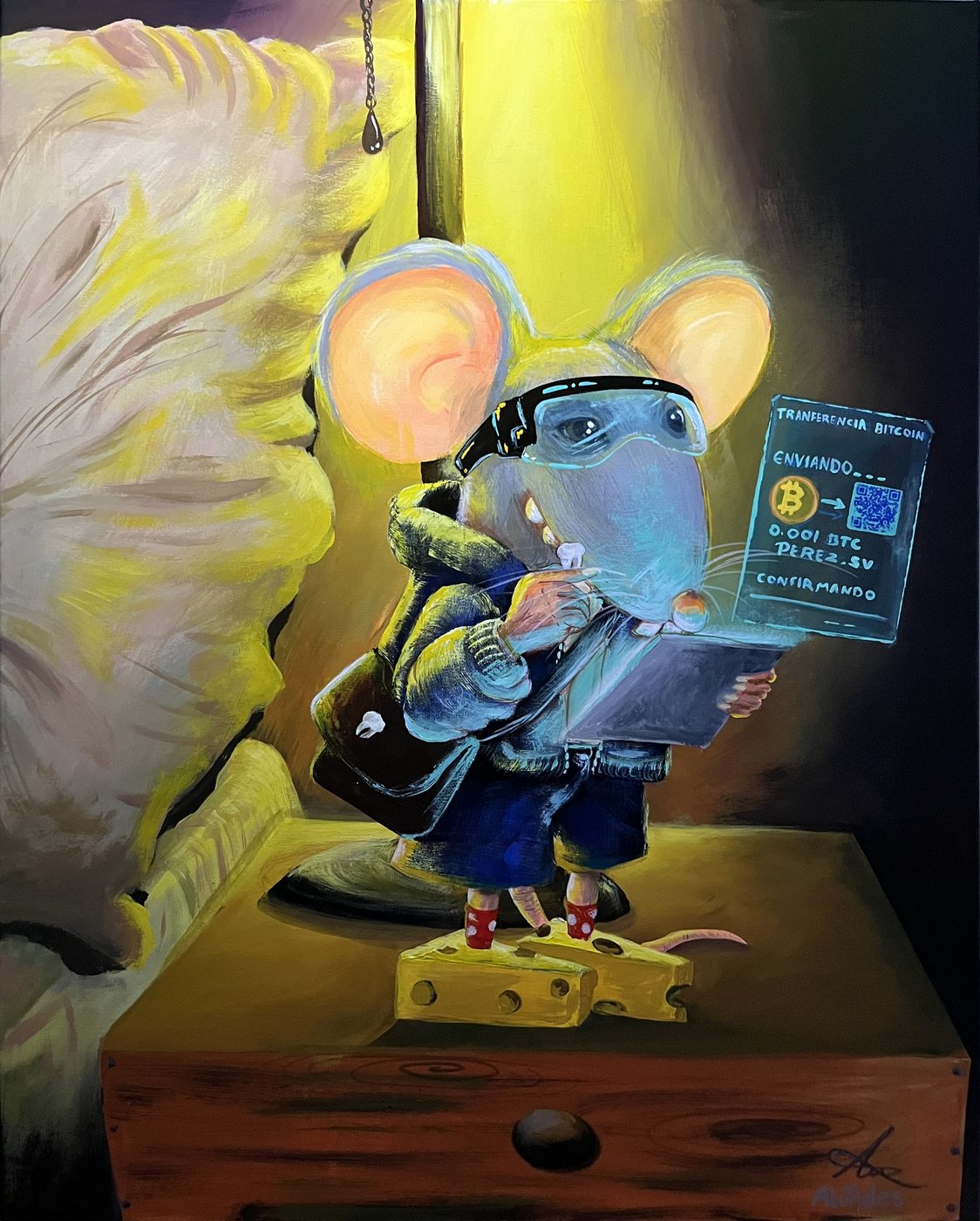
This piece shows how technology can transform our traditions without losing their essence. Ratón Pérez, the tooth mouse, still visits children and keeps the old magic alive, but has changed how he delivers his gifts. He now uses Bitcoin as a new tool, showing that tradition and innovation can live side by side.
Antonio Batzu
Ceramic sculptor, b. 1975, Sardinia. Models every piece by hand without moulds. Peer to Peer Army is a closed edition of 210 unique warriors that funds 21 monumental bronzes around the world. Featured by ANSA, Timechain Art Magazine, Stackchain Magazine and the Bitcoin Art Podcast.
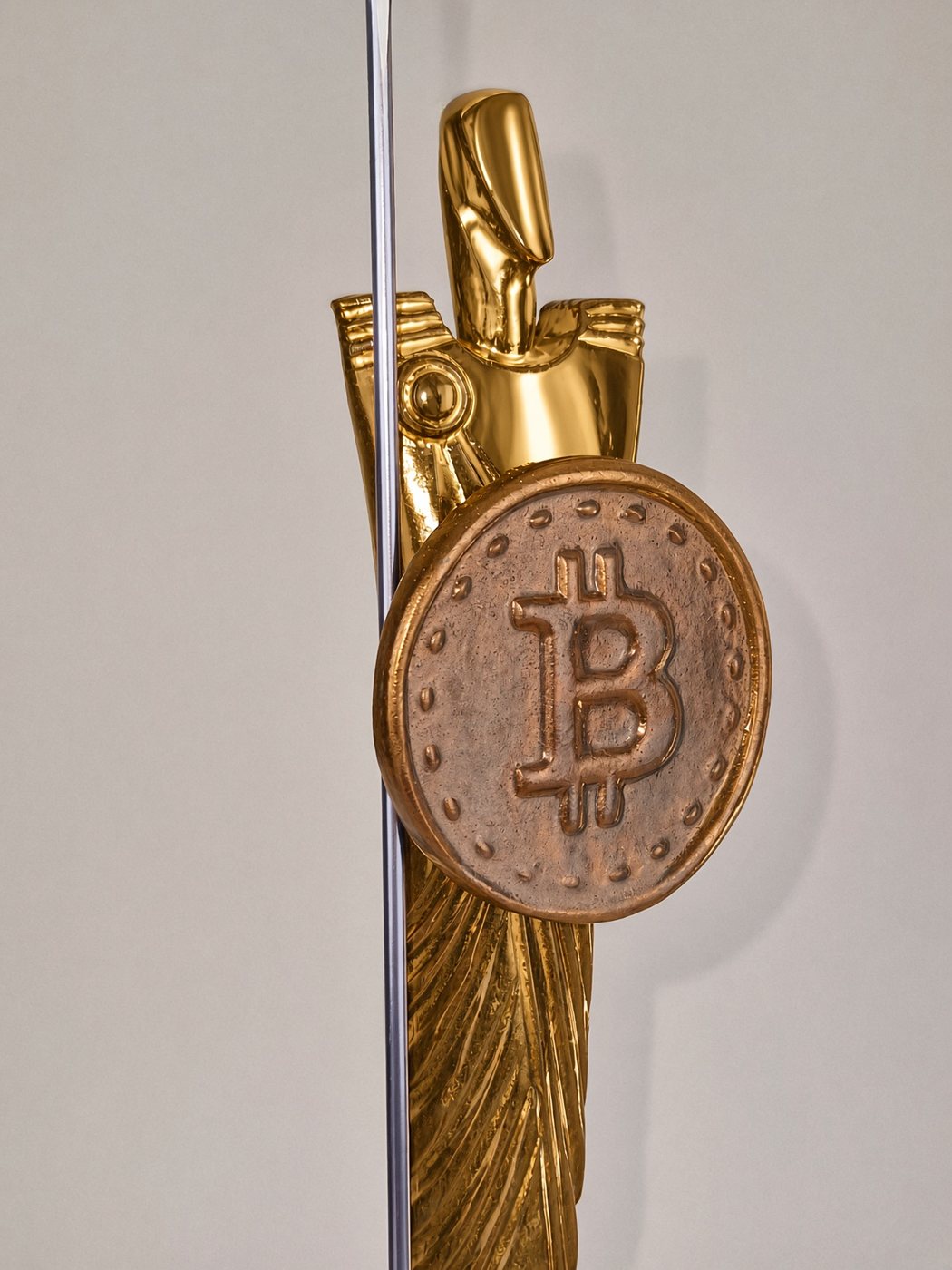
Nineteen unique handmade ceramic warriors, about 30 cm, bodies and shields finished in precious-metal lustres: gold, platinum, bronze. Each one is different. Numbered. Signed. Part of the closed army of 210.
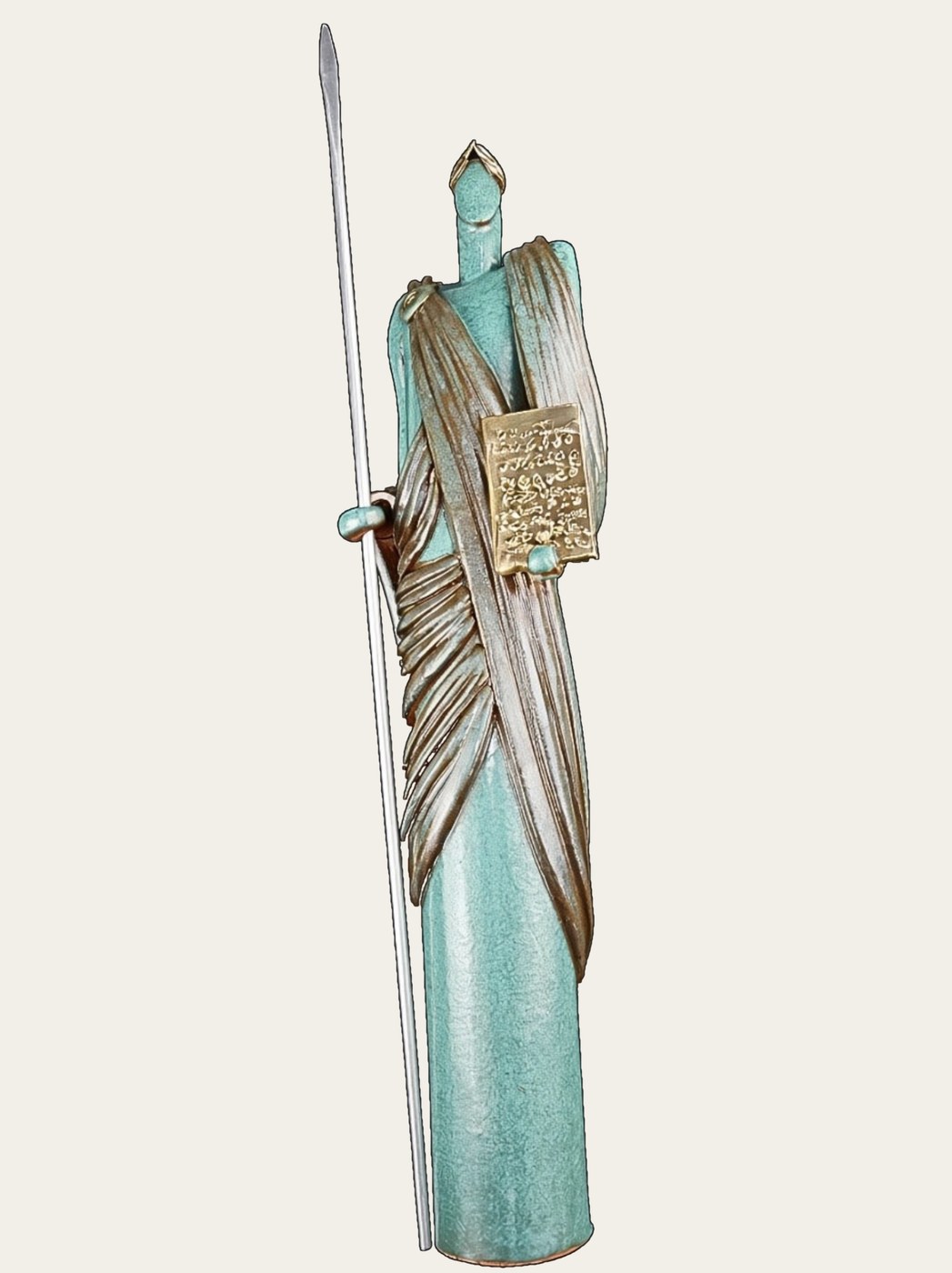
Alfa. The first of Bitcoin Histórico, Special Edition Series III. About 52 cm, body and shield entirely gilded in real gold lustre. Unique. Numbered. Signed. One of 210, forever.
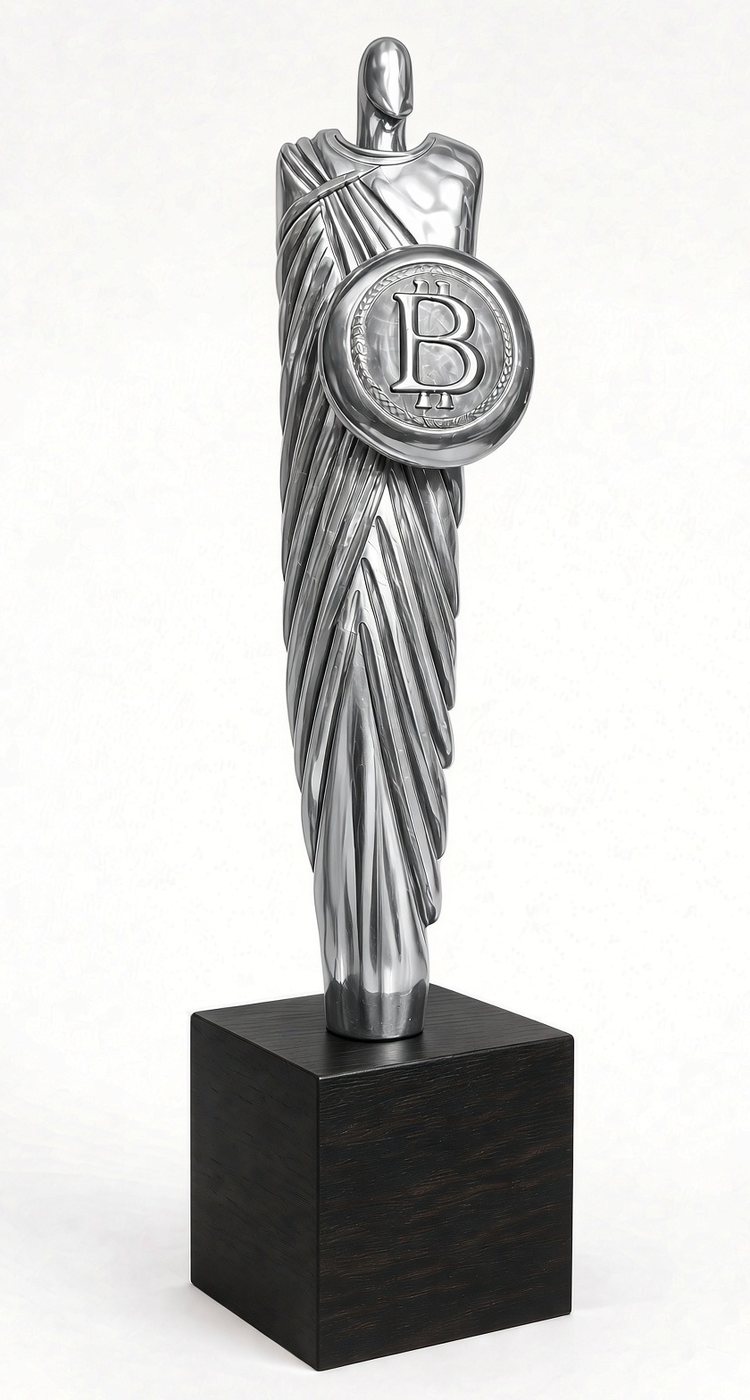
Omega. The last of Bitcoin Histórico, Special Edition Series III. About 52 cm, body and shield in platinum lustre. Unique. Numbered. Signed. One of 210, forever.
Boris Arriaza
Focused on natural and archaeological heritage. Graduate of the Diploma in Painting Techniques at the National Centre for the Arts (CENAR), now studying for a degree in Fine Arts at the University of El Salvador, where his registered series Zoomorphic Ceramics began. Group exhibitions at Museo Forma, the National Palace, the Starbucks Casa Bou flagship store, CENAR, Plan B Forum with Akwa at the MARTE Museum, and the National Theatre. Repeatedly invited to cultural events at the Salarrué National Exhibition Hall, with a solo show, Maquilishuat Bajo La Luna, at the National Museum of Anthropology (MUNA).
Eli_GyG
Salvadoran artist, 63, studying drawing and painting at CENAR since 2023. She enjoys landscape somewhere between realism and impressionism, and the use of texture, painting in both oil and acrylic.
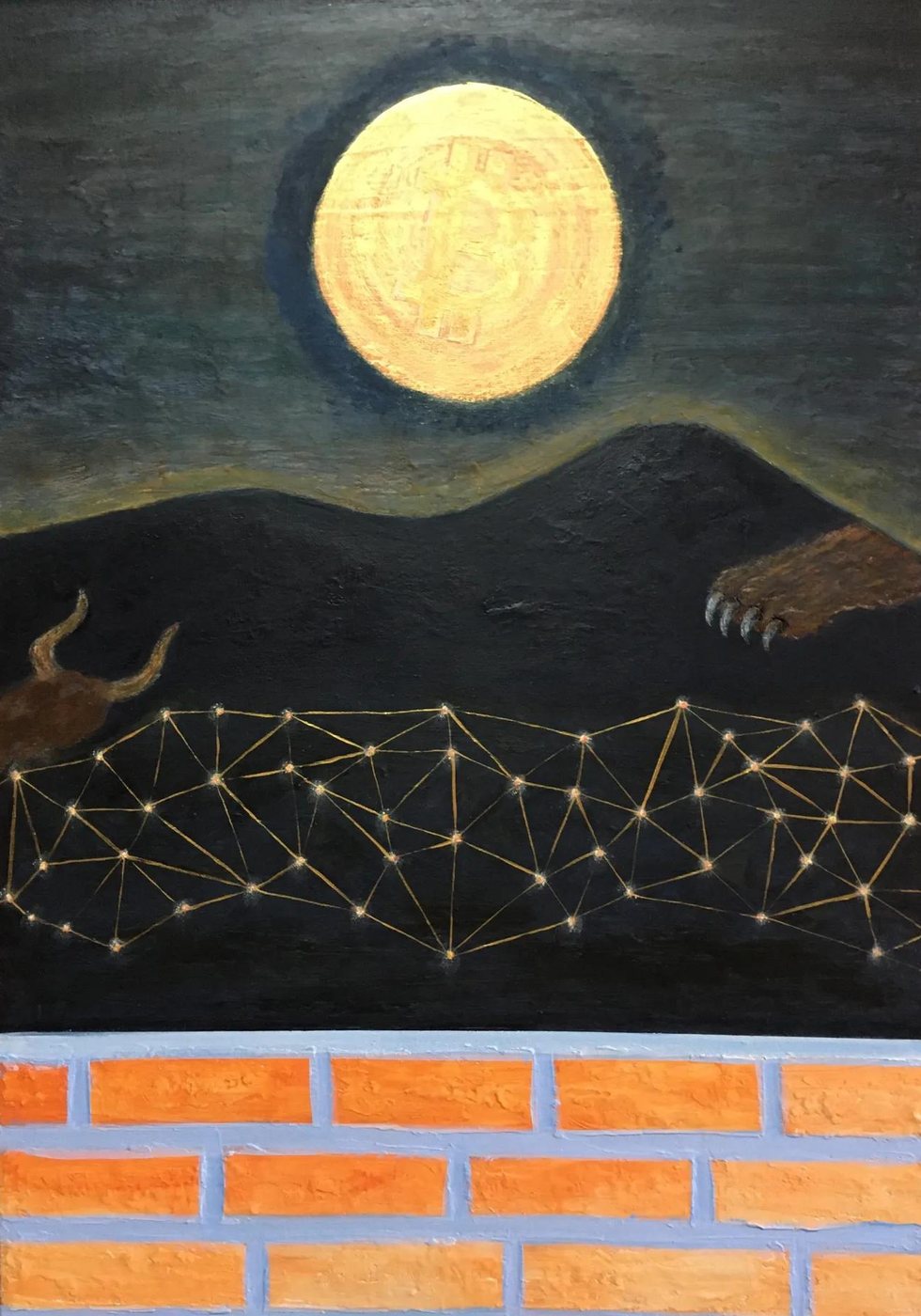
This painting shows a night landscape under a full moon, where the San Salvador volcano represents the fluctuations of Bitcoin. The city with its lights represents the network of exchanges; at the edges, the forces pushing the price up and down; and below, a wall of orange bricks represents the blockchain, the marvellous design behind Bitcoin.
Esmeralda Aguilar
Born in San Salvador on 14 March 1998. She trained first in industrial engineering, which gave her a structured way of seeing, before turning to art as a means of personal exploration and emotional expression. She is now studying art, specialising in ceramics, at the National Centre for the Arts. Each piece reflects an intimate connection with the natural and the human.
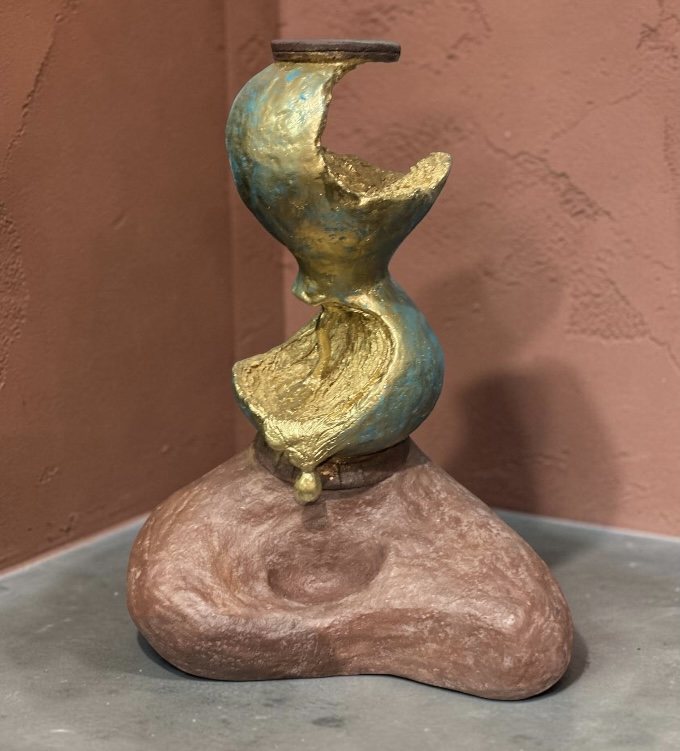
This sculpture symbolises how perseverance inevitably transforms. Shown as the drop that wears away the rock, constant effort overcomes challenges over time and builds permanence and security. In the same way, Bitcoin grows stronger through the energy invested in it and the continuity of its history.
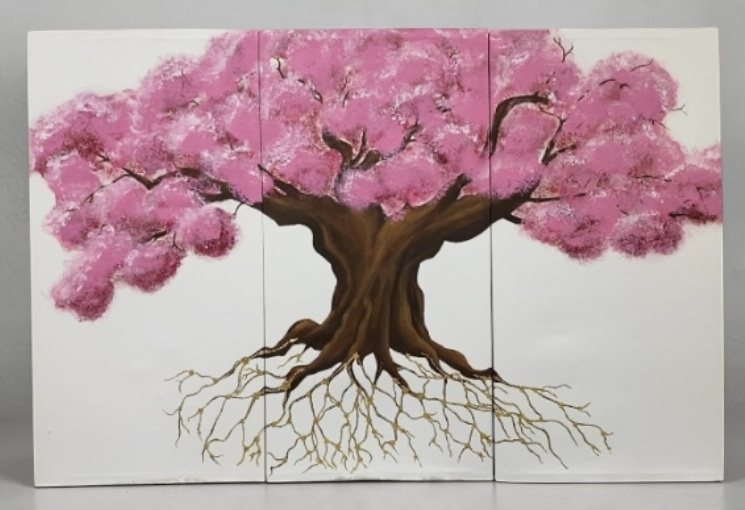
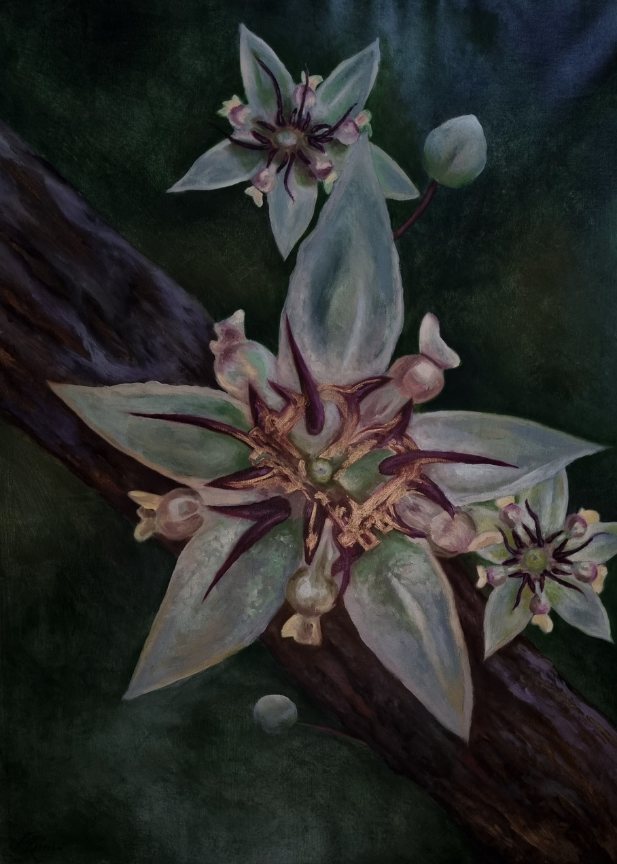
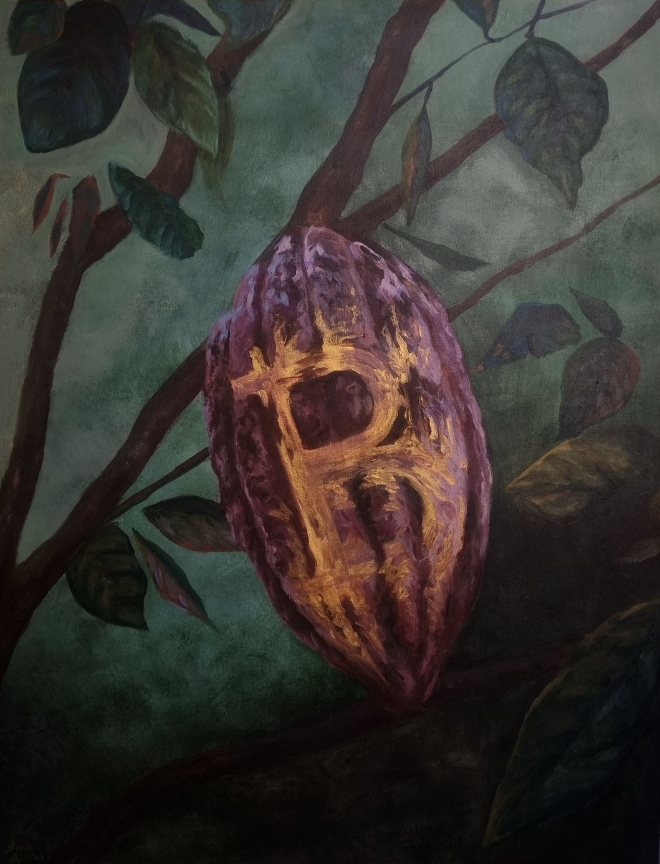
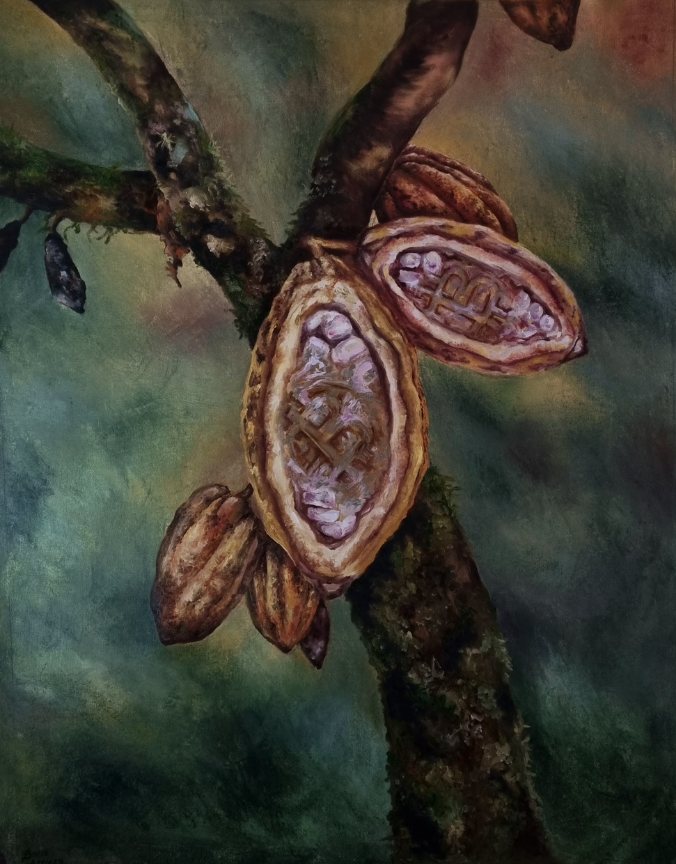
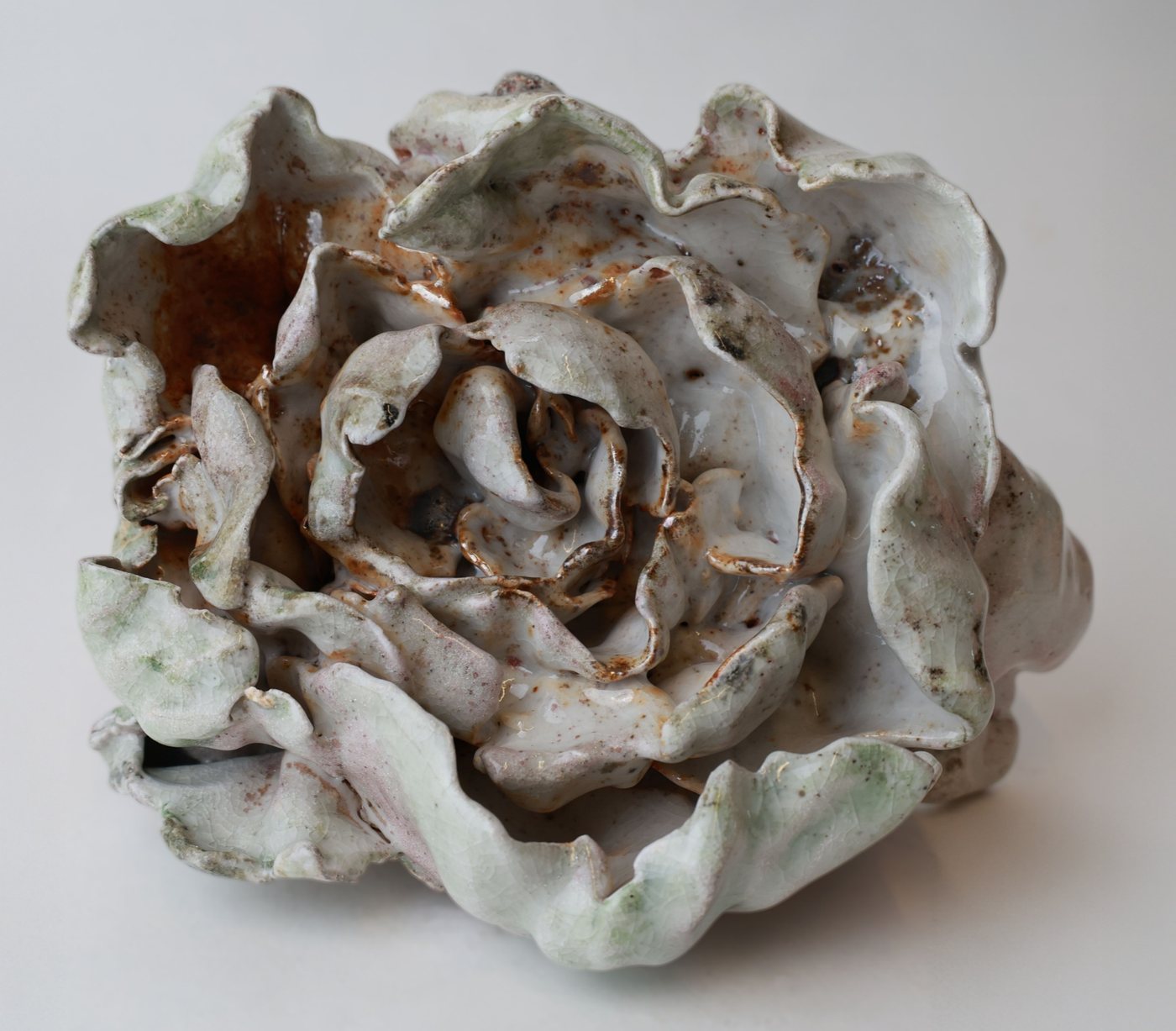
The work represents El Salvador's journey as the first nation to adopt bitcoin. The roots of the maquilishuat, the national tree, merge as a metaphor with the blockchain, which for Bitcoin is its skeleton, its engine and its security, the foundations of a new era. Its flowers represent the flourishing of the country and of Bitcoin.
FADIZ
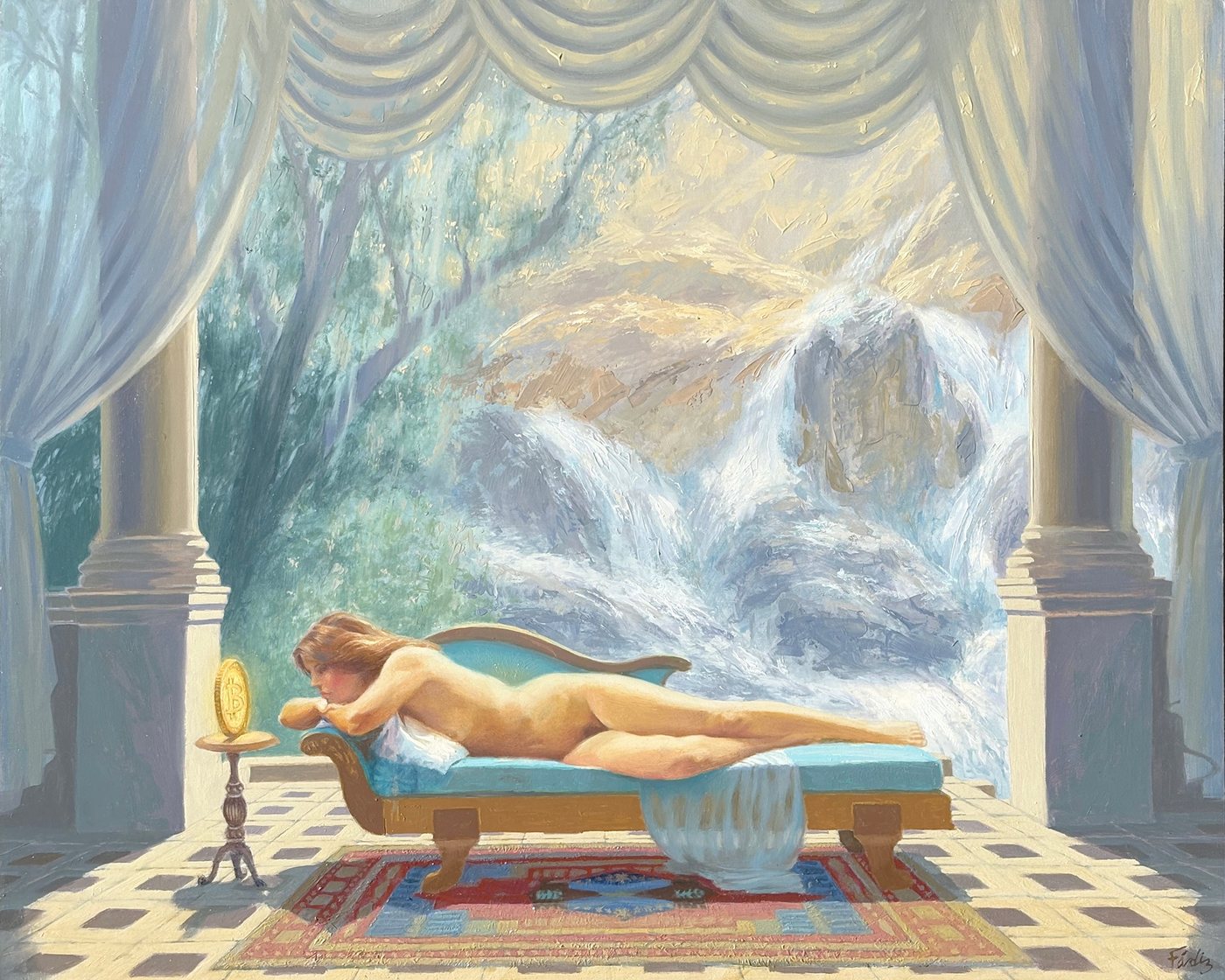
Born in La Jolla, California of Mexican, Basque and Native American Indian descent, FADIZ has always been driven by art. Chosen as one of the 12 most promising artists in the country for the New York Academy of Art, he spent two years on a full scholarship studying the techniques of the old masters, under Xavier de Callatay, Jack Beal, Edward Schmidt and Vincent Desiderio. Thirty years in Hawaii added a touch of color. He delved into bitcoin in 2013.
Guadalupe de Castillo
I studied at Colegio La Floresta, finishing school in 1986, then studied architecture at Universidad Albert Einstein, graduating in 1993. I painted from the age of 15 to 20 with the master Pedro Acosta García, a disciple of Valero Lecha, and went on painting self-taught. I returned to painting classes at CENAR in 2024. This year I showed three paintings in the FORMA museum exhibition Enamorados del Arte, and I am still a student at CENAR.
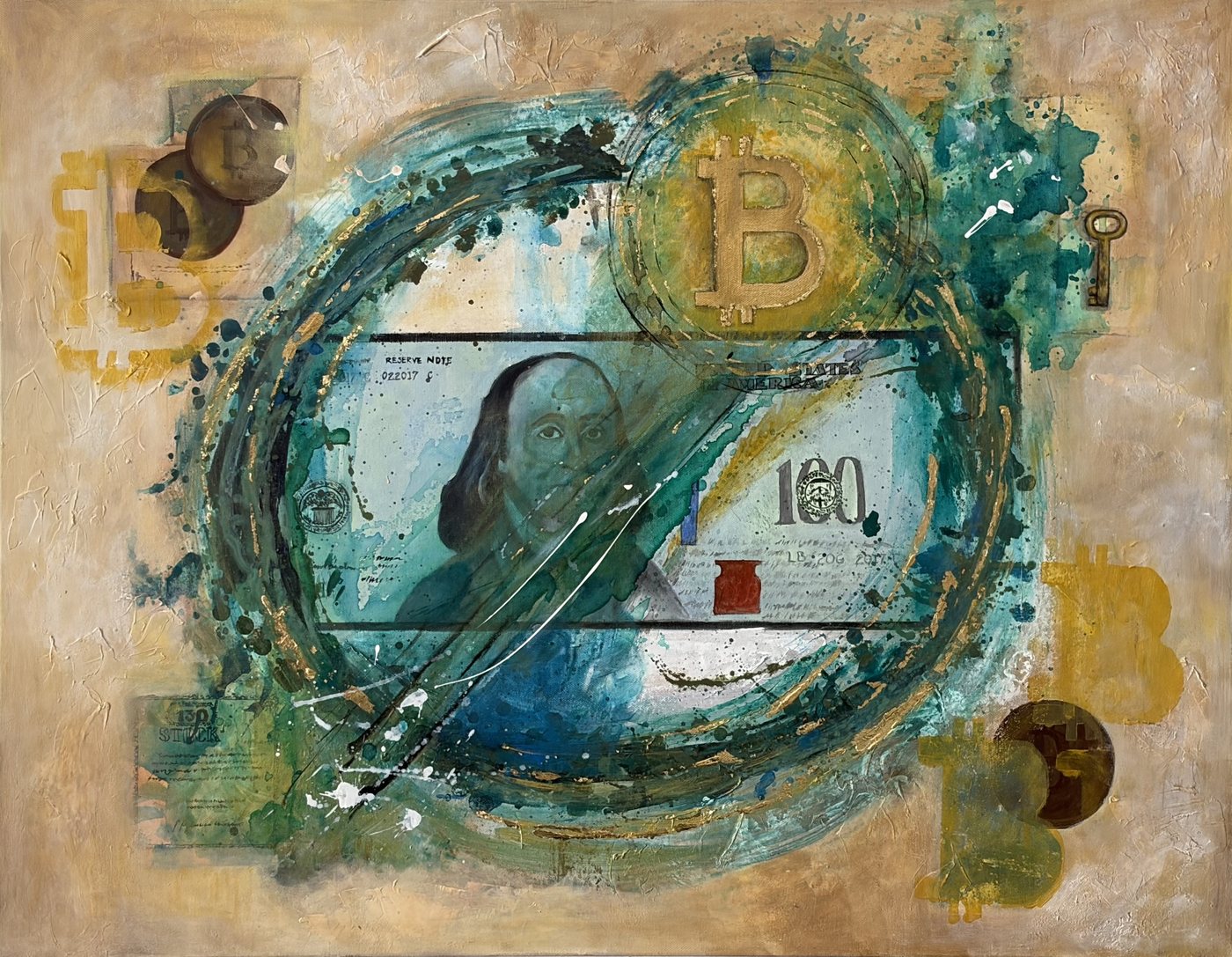
The work represents the meeting between traditional money and the transformation towards a digital economy, cancelling out money so that bitcoin prevails. Bitcoin appears as a golden core that reorganises coins, banknotes and economic symbols.
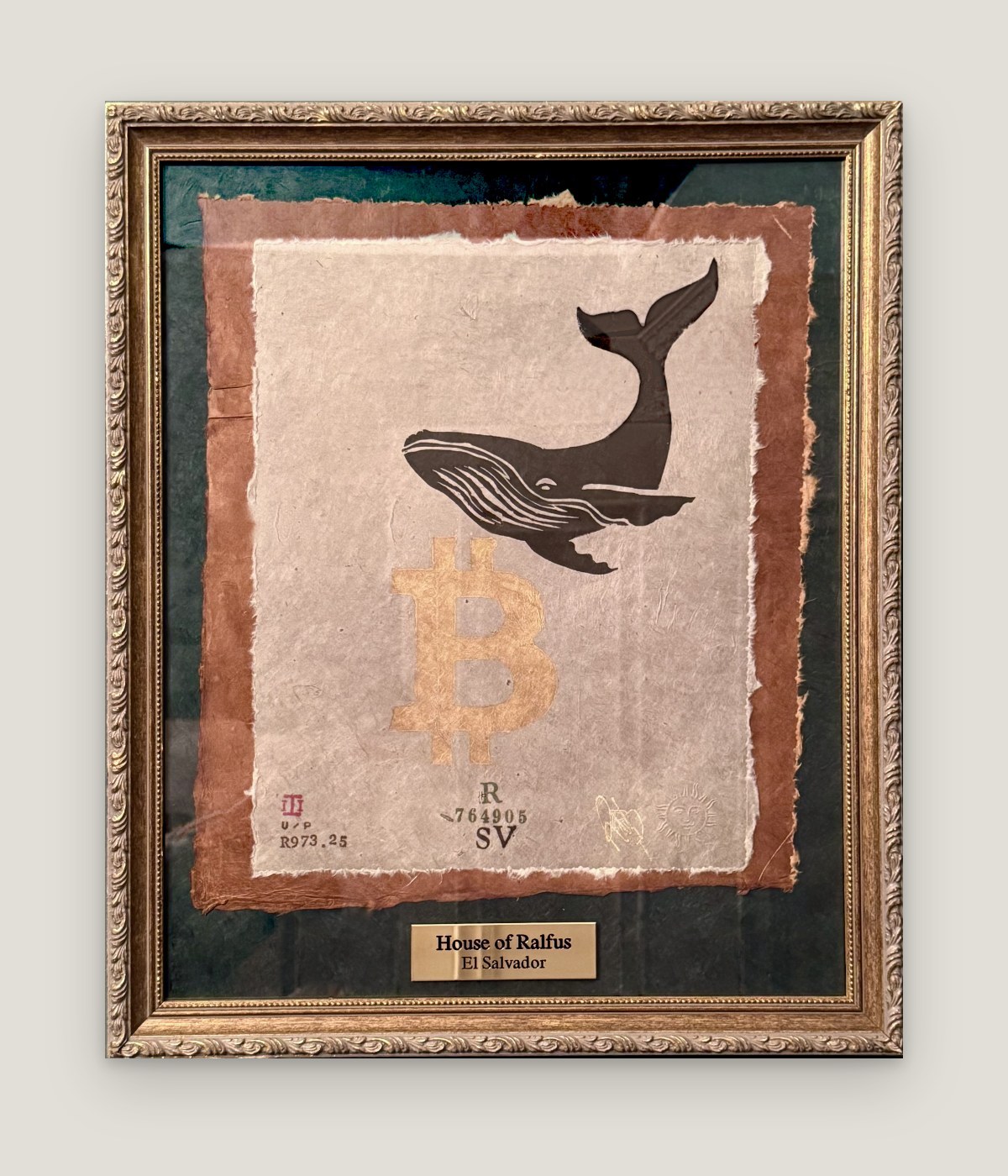
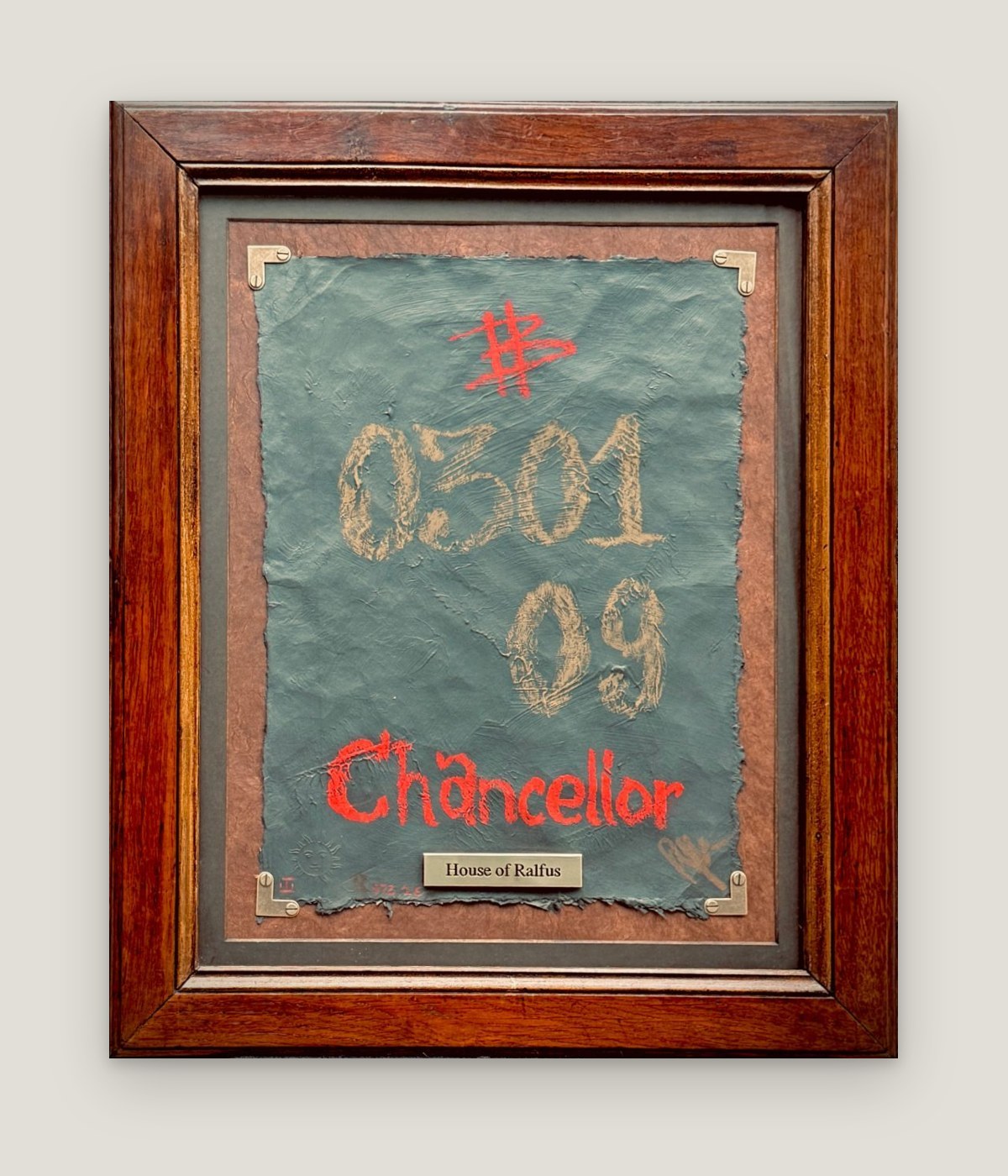
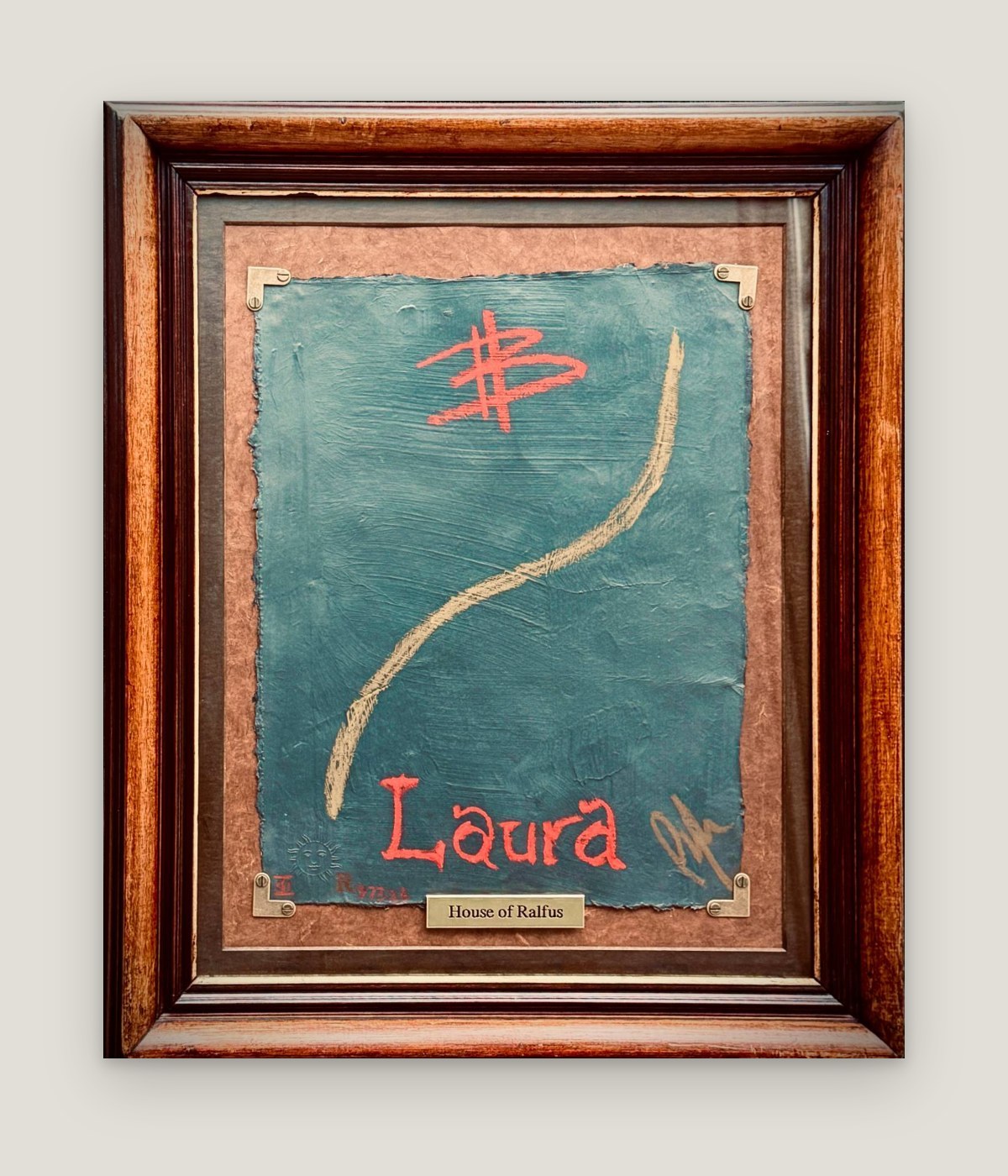
House of Ralfus
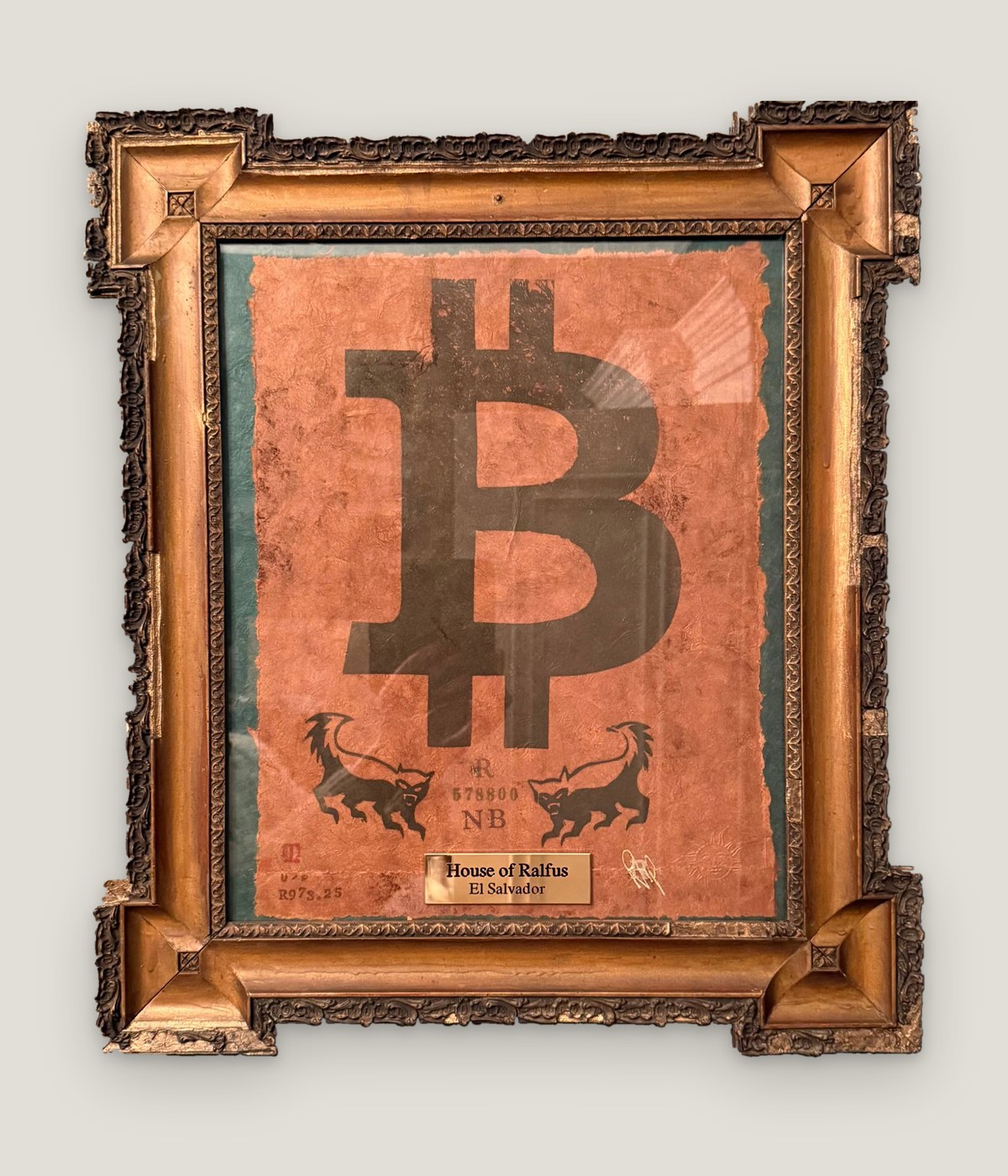
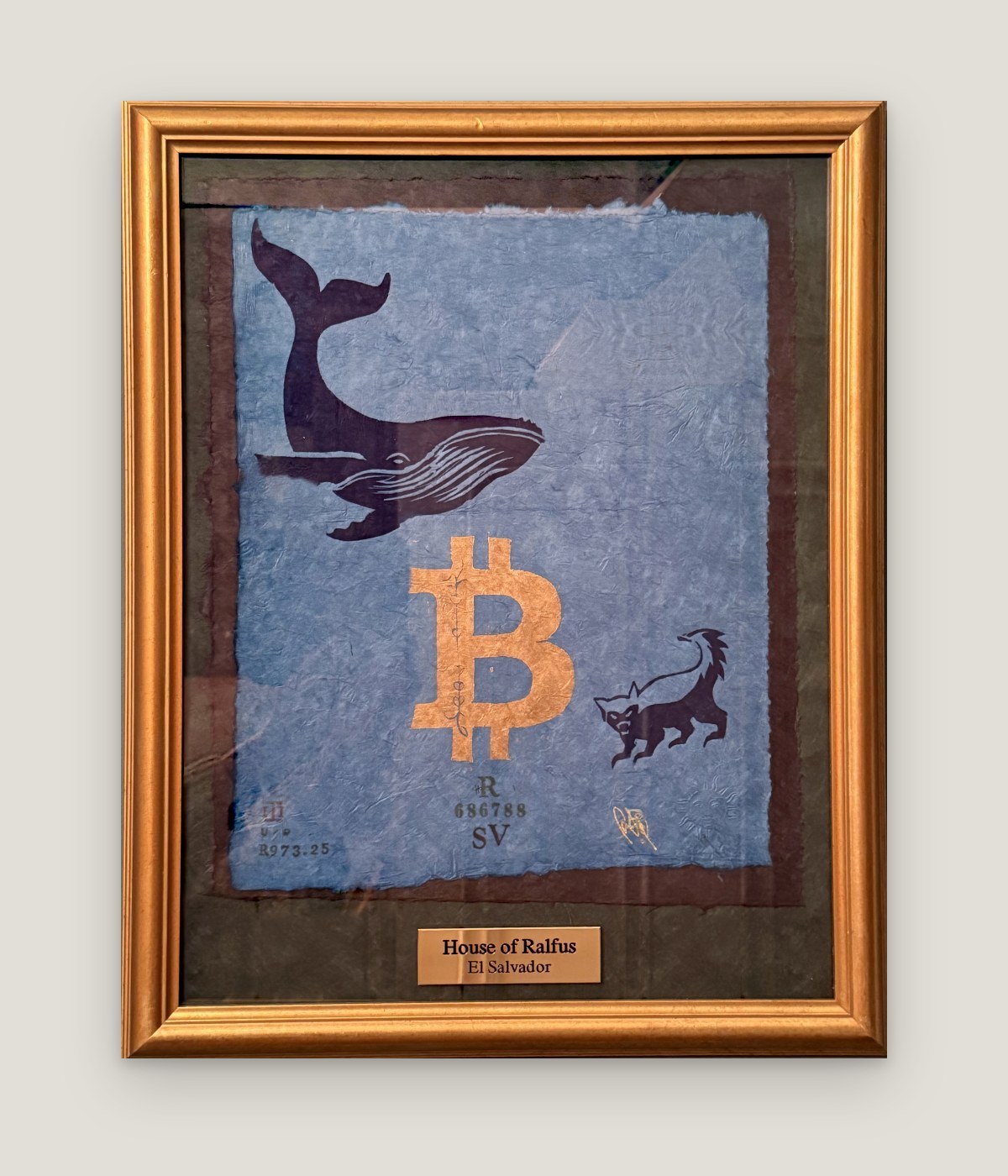
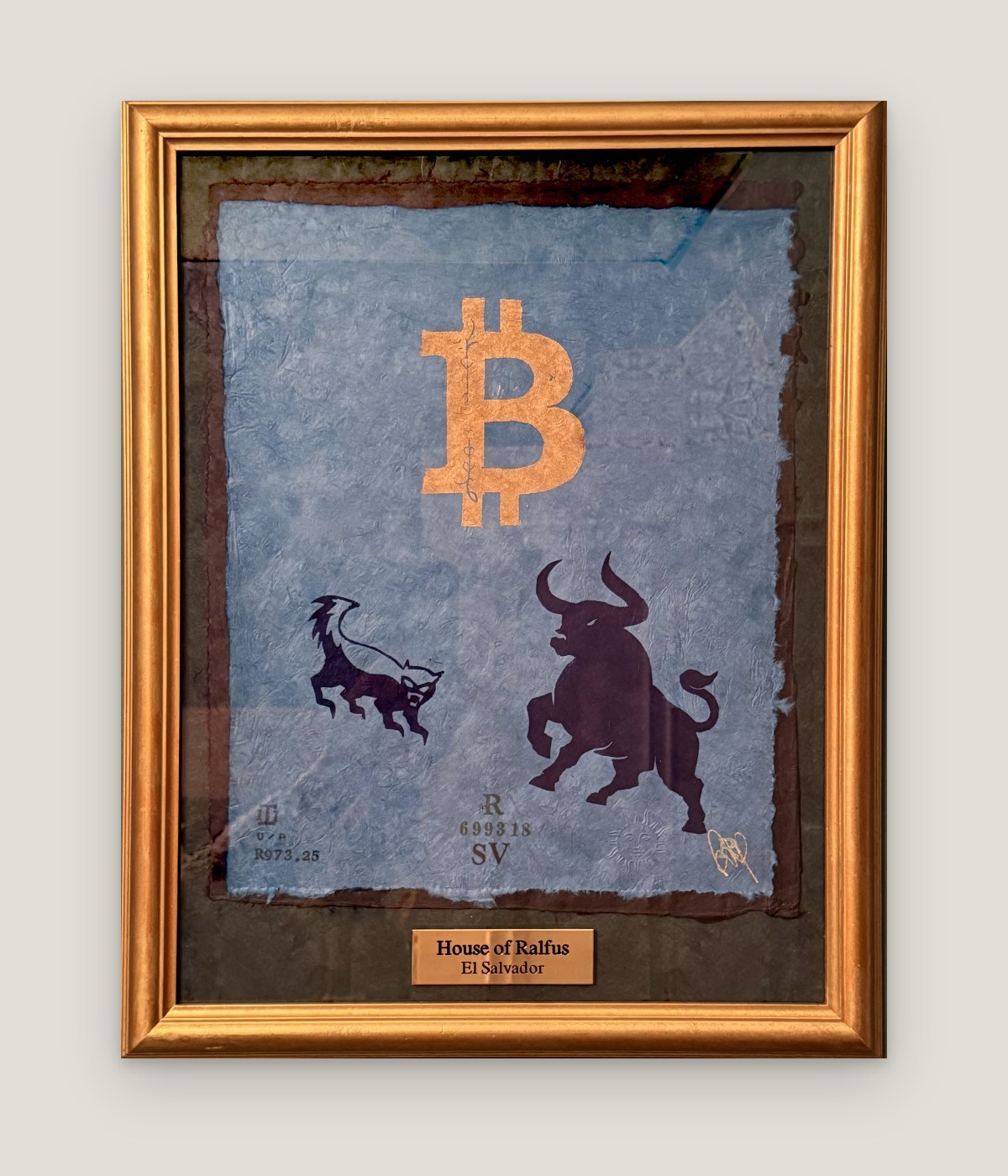
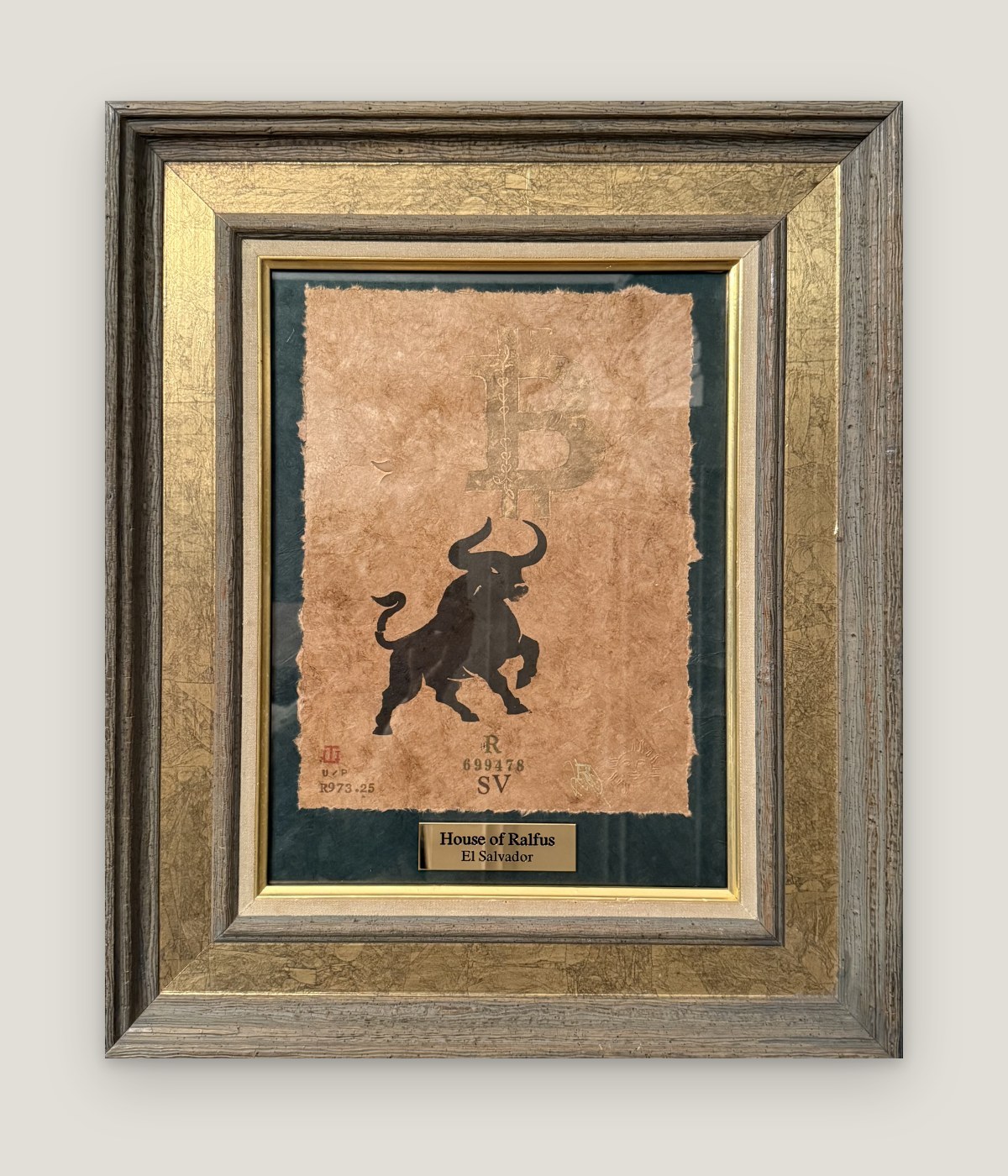
House of Ralfus is the fine art studio of artist and curator Ralfy, founded in 2025. The studio works in block print, painting, sculpture and drawing using traditional techniques and materials. Its handmade papers come from Bhutan, Nepal, Japan, Italy and France, and printing is done on a 19th-century Albion press. Its collections include The Genesis, Temple of Bitcoin, El Árbol de Bitcoin and The Bitcoin Lexicon, among others. The work has been shown at Villa Ciani in Lugano, at the National Palace and the MARTE museum in San Salvador, and at BTC Prague. Ralfy was sole curator of the first Bitcoin Histórico in 2025 and is the Art Director and Curator of this gallery, conceived, curated and produced by House of Ralfus.
K's Valladares
A graphic designer and university lecturer, committed to continuous growth in the visual arts. Her teaching promotes critical thinking, creativity and innovation, and she aims to bring a multidisciplinary vision that links knowledge, artistic sensitivity and new ideas in education.
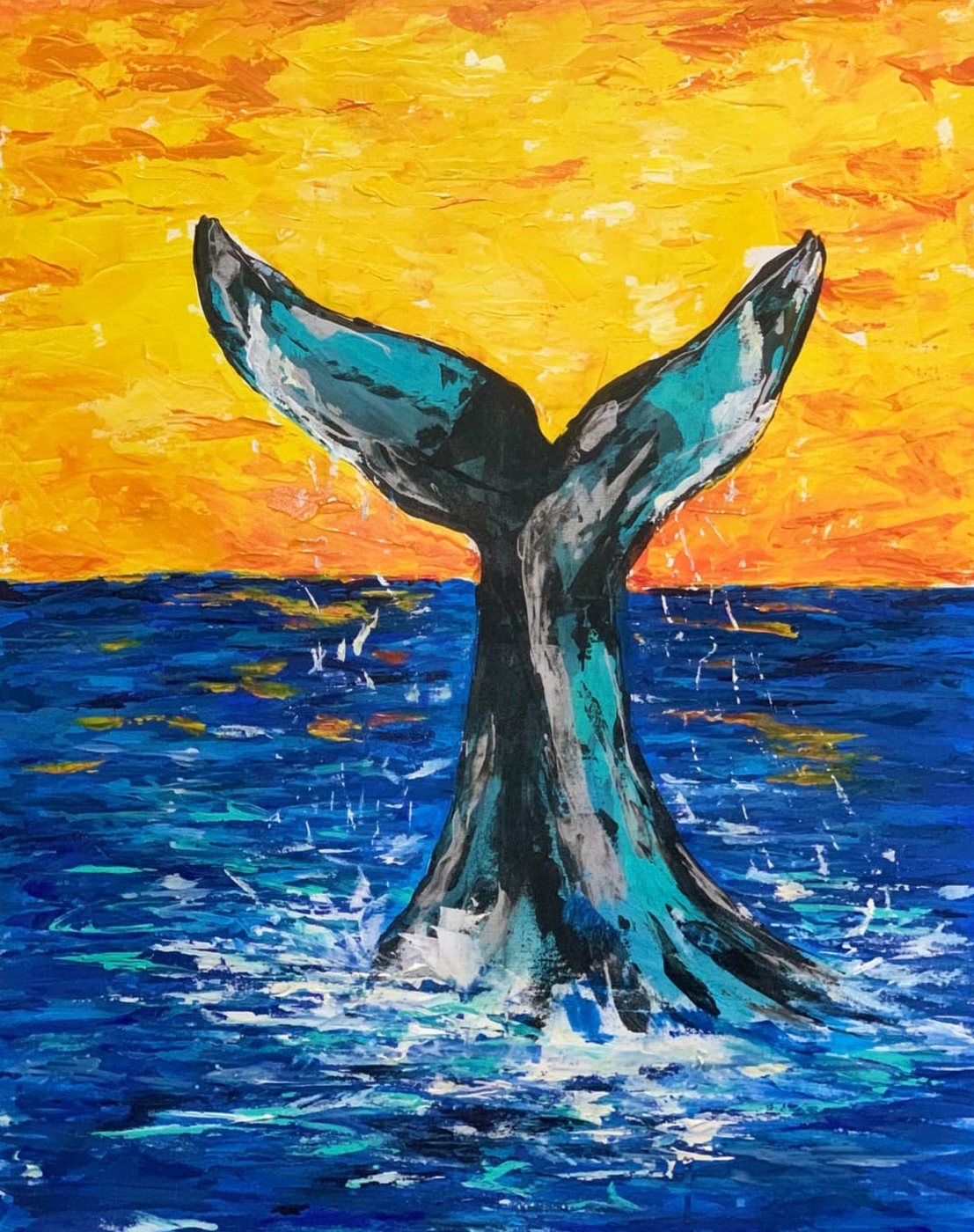
The story of El Salvador reflects transformation, identity and hope. The whales represent strength, freedom and movement, while Bitcoin symbolises a new technological and economic chapter for the country. Together they express the search for new opportunities, innovation and growth, connecting our roots with a more global and digital vision of the future.
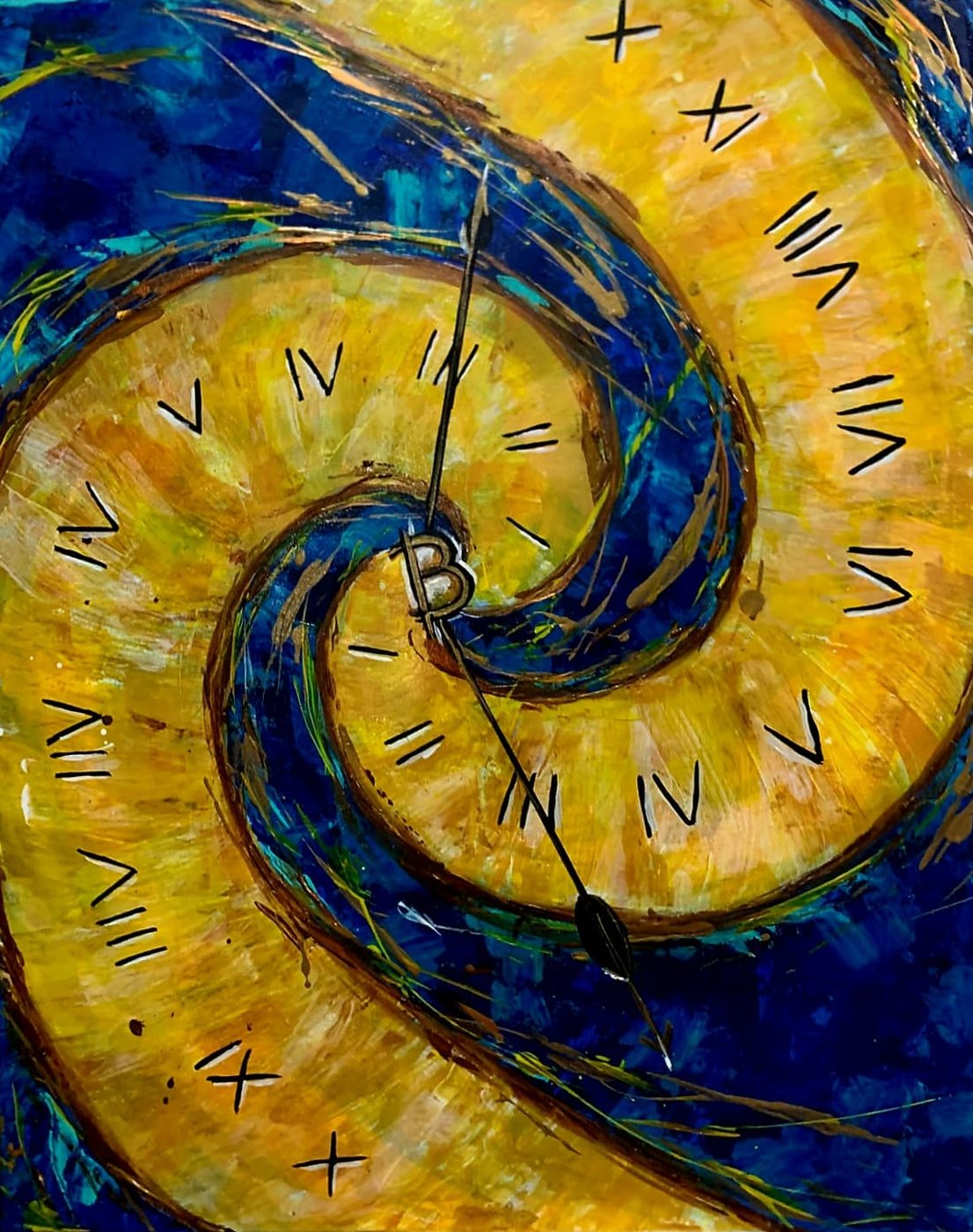
The clock represents the constant passing of time, while Bitcoin symbolises a kind of permanence that seeks to outlast generations. Its circular movement reflects continuity, transformation and evolution. Through its intertwined colours and forms, the work expresses how time moves on, yet certain ideas can remain and endure.
Louce ceramik
French ceramic artist and teacher living in El Salvador, where she discovered el barro, the local clay. Her ceramics are inspired by El Salvador's wild nature, its textures, colours and contrasts.
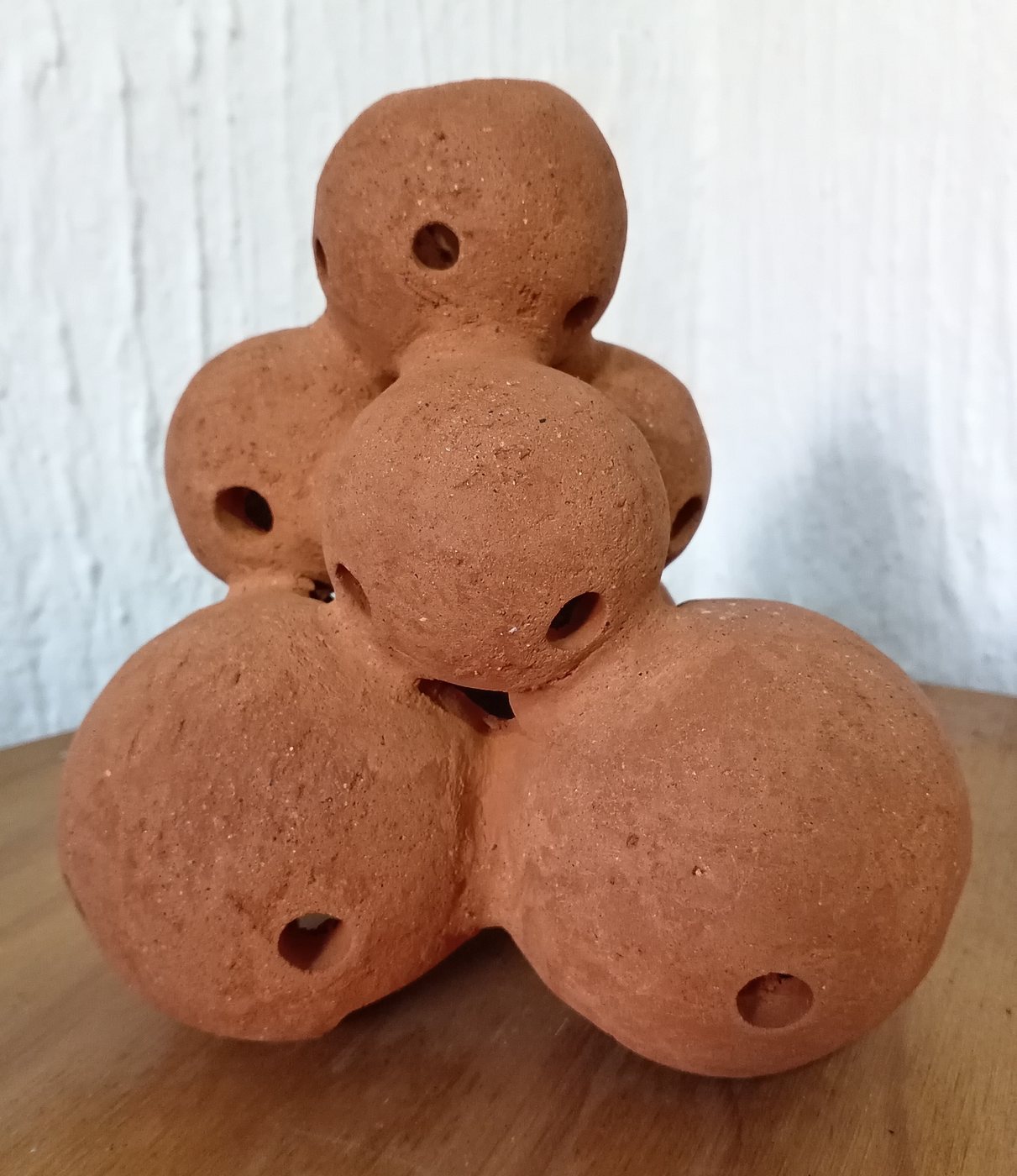
This is where it all begins. The first cells, the first seeds, in the bare earth. From now on, anything is possible.
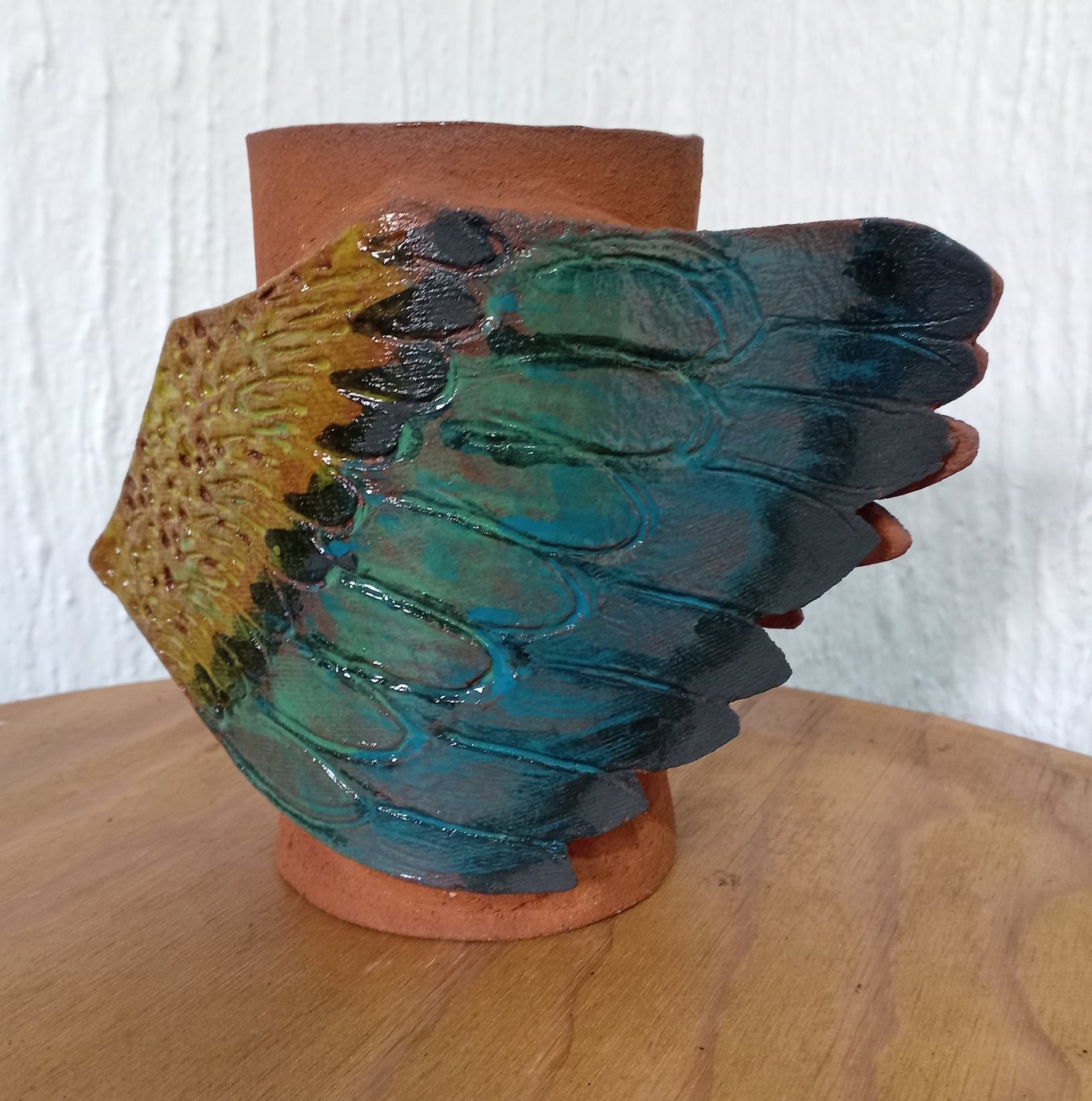
Rising from the earth. The heavy, raw clay that suddenly takes flight and gains its freedom.
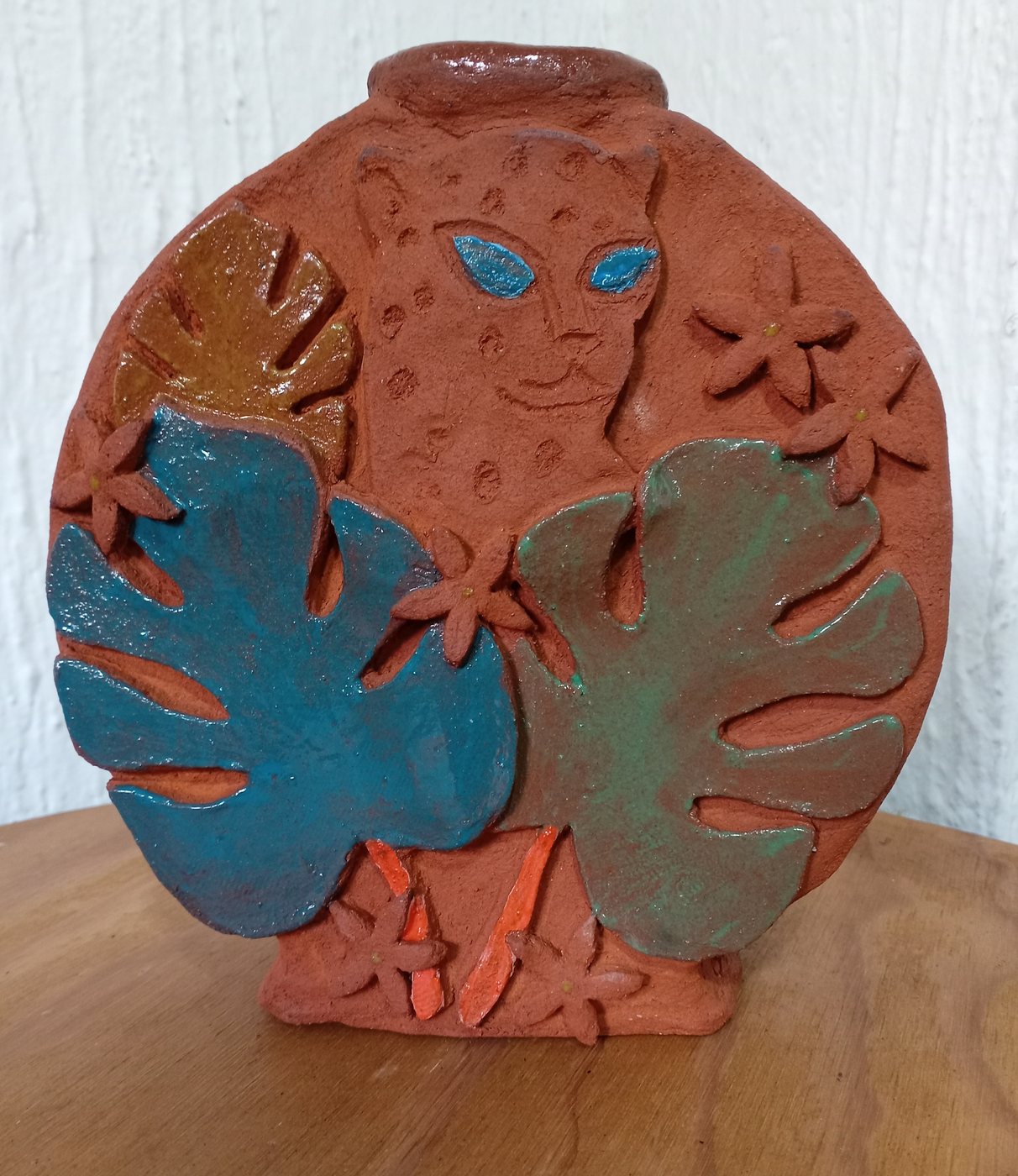
Don't hide. Be part of it.
Luke Hager
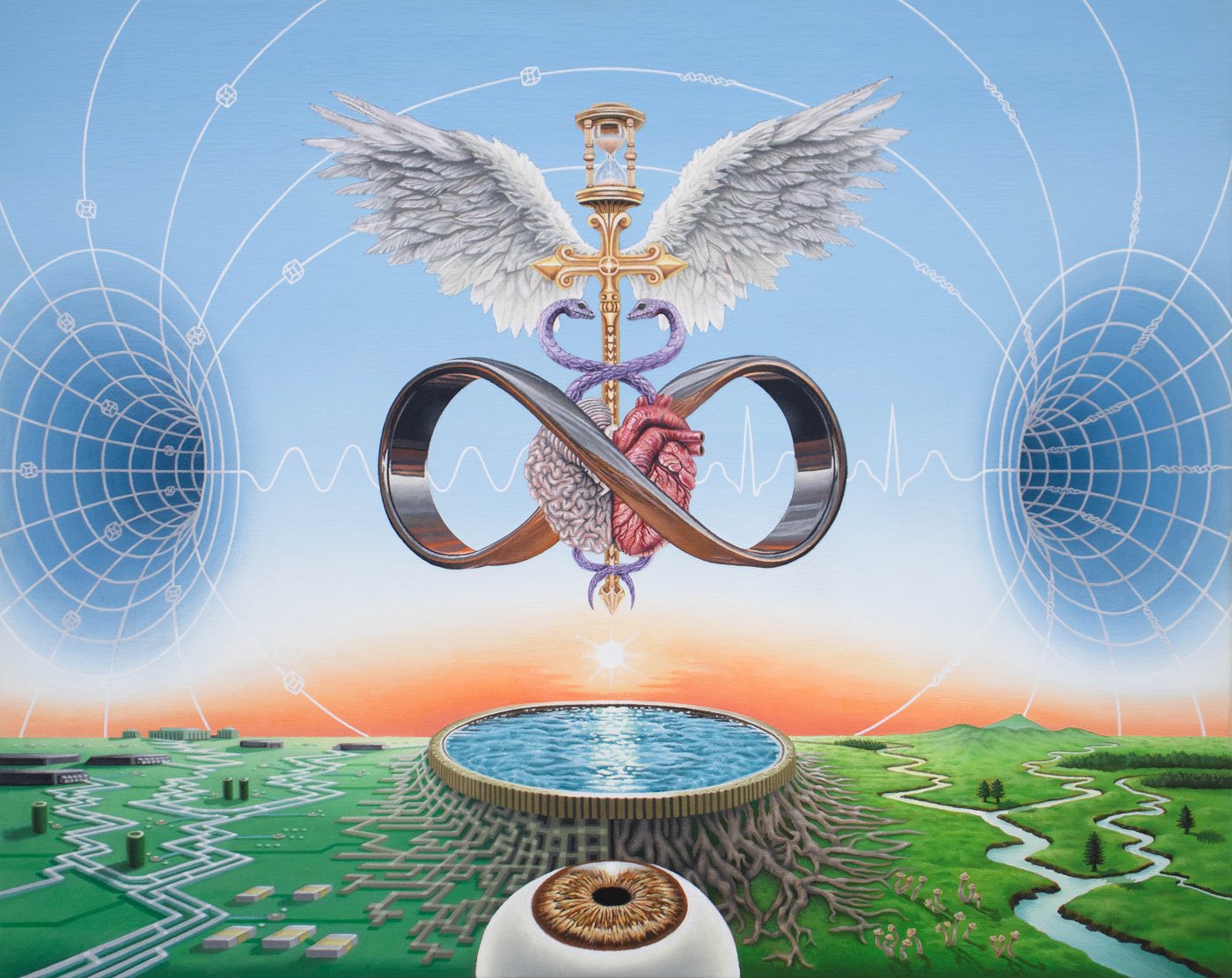
Madelyn Flores
A painter and digital illustrator who enjoys blasts of colour, always trying to experiment and work outside her comfort zone.
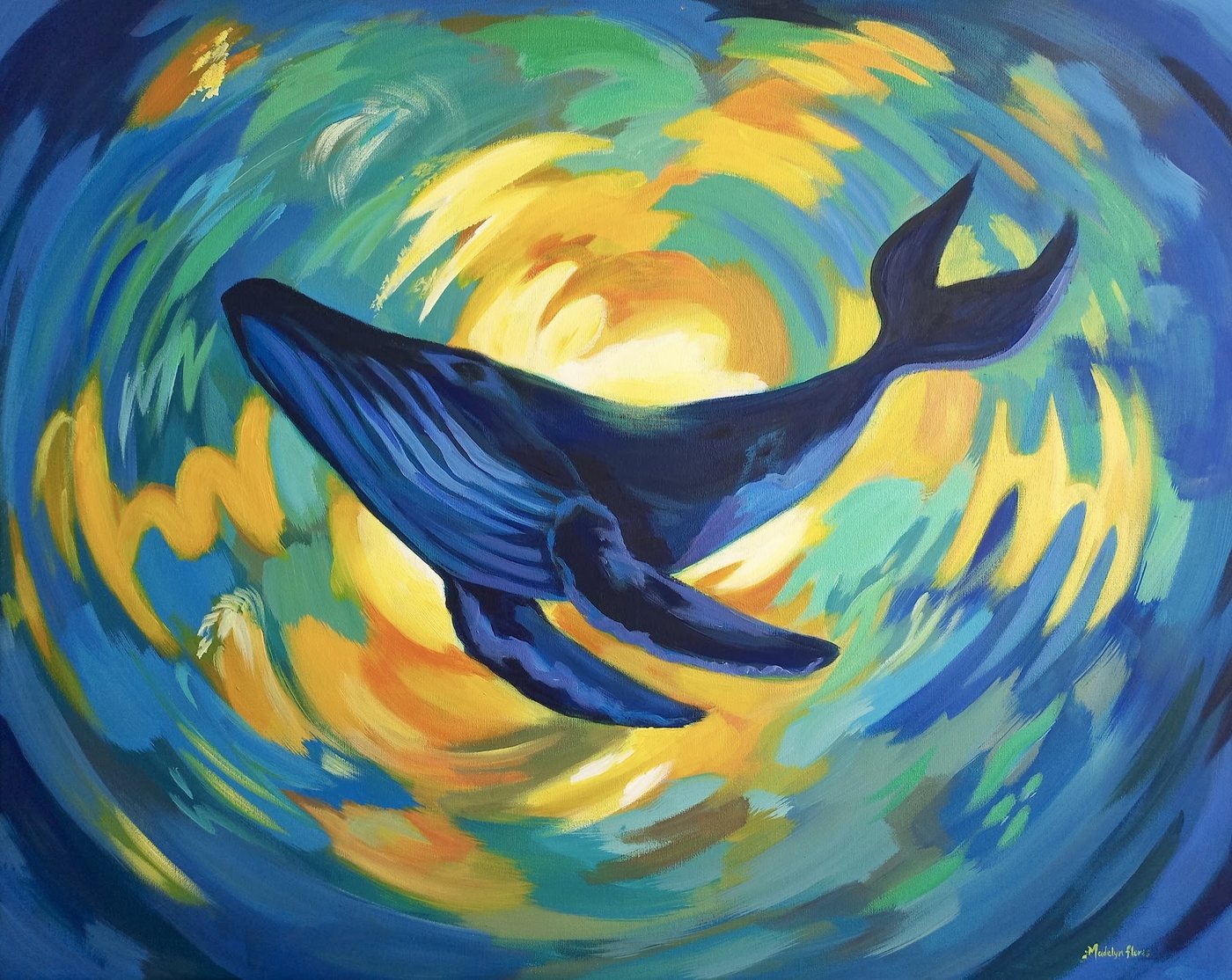
This painting has a whale as the spotlight, to represent crypto whales. The background holds a bright yellow and colourful backlight in the water to represent Bitcoin, but the strokes are expressive and wild, just like the whales.
Mirna Palma
Mirna Palma (San Salvador, 1967), a Salvadoran architect now studying Art and Professional Development at CENAR. Her works link landscape, spirituality and collective strength through line, volume and structure. Looking for new forms in geometry led her to a series devoted to Lake Ilopango, exploring sky and water in a poetic, symbolic language. She shares art freely with older adults, bringing company, joy and beauty to their days.
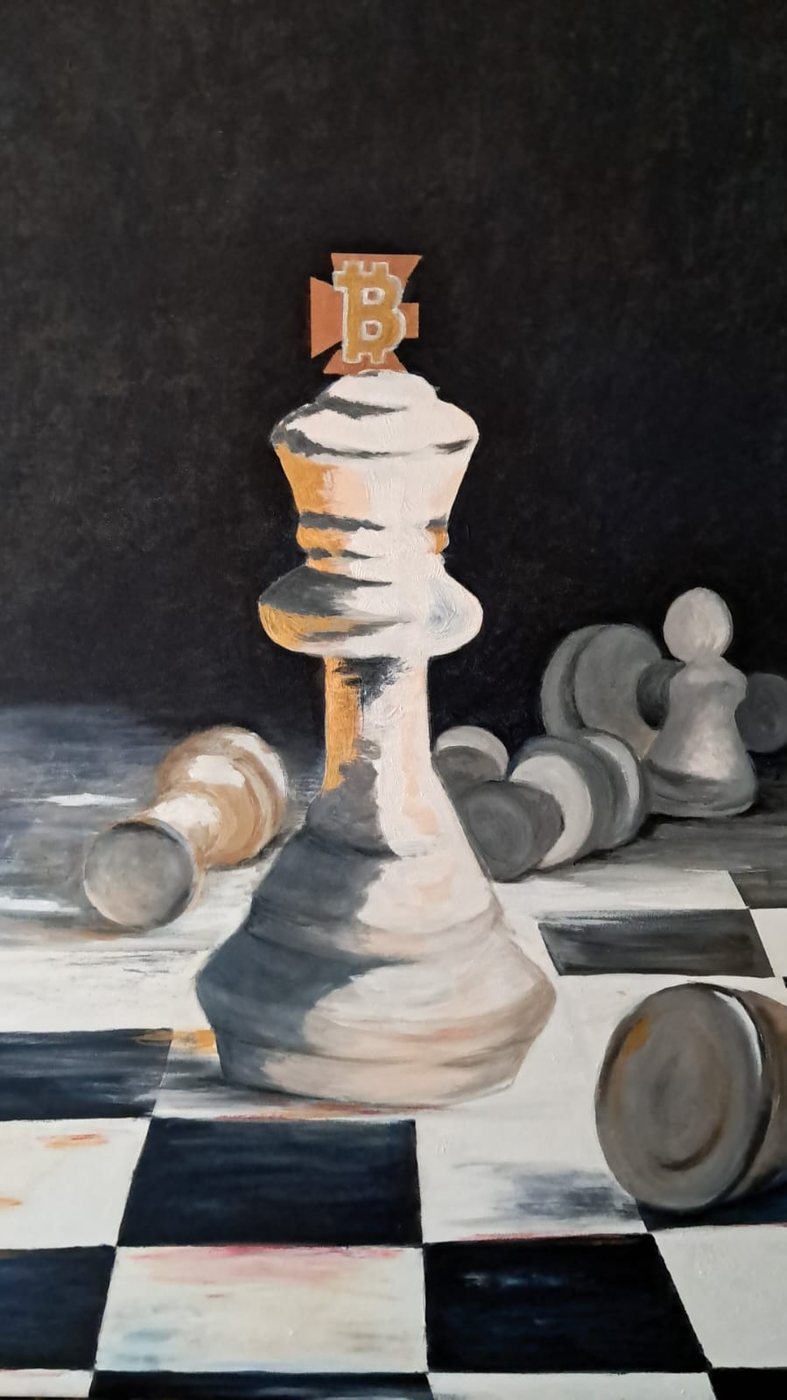
Inspired by the work of Moritz Retzsch. Chess stands for the old financial system, hierarchical and slow, where the King is seen not as an attacker but as a successor. The fallen pieces are institutions, banks and intermediaries made obsolete; the unsteady board is how some people see it.
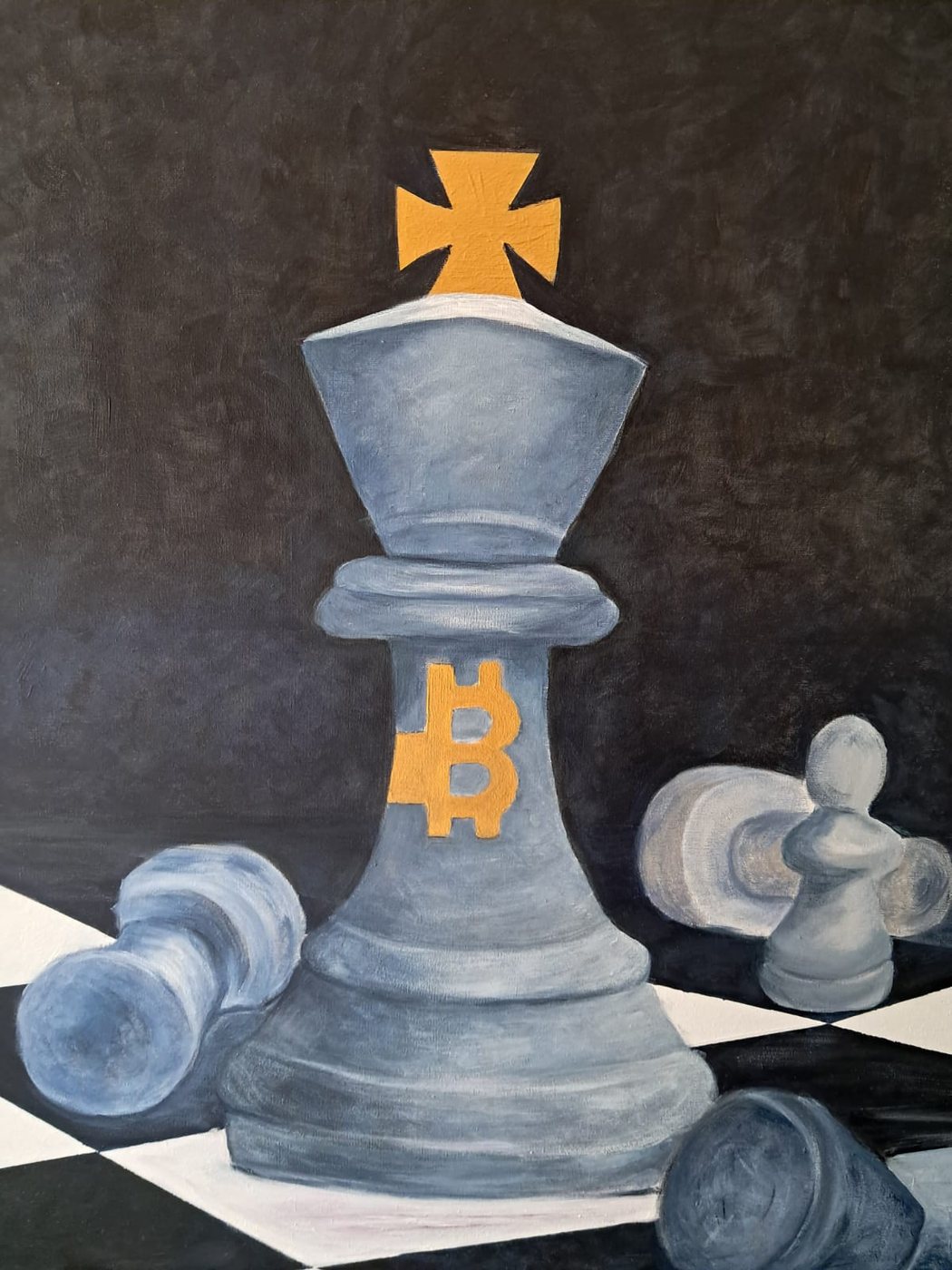
Inspired by the history of Chaturanga, the ancient board game from India that is the ancestor of modern chess. The work shows the King in his own territory, bearing the digital mark: the moment he shines alone, on a board with an inherited title.
Nelson Muñoz
Salvadoran painter, initially trained in psychology at UCA. Began artistic studies at CENAR in 2023, currently in the painting techniques diploma.
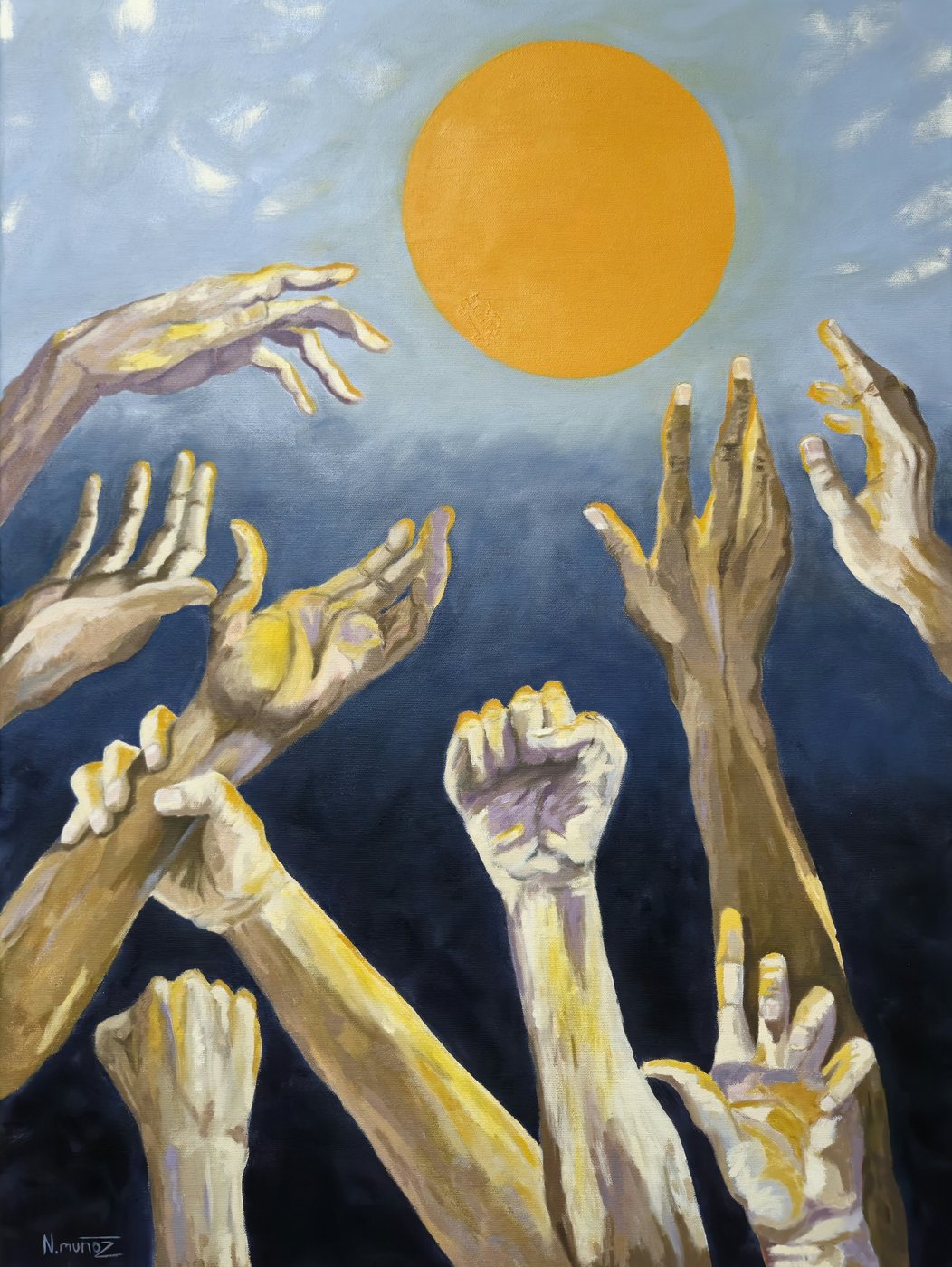
The sun symbolizes a value that does not belong to any single person. Its light extends to everyone, while the hands represent those who, collectively, sustain and form part of this new structure.
Thom L’Boo
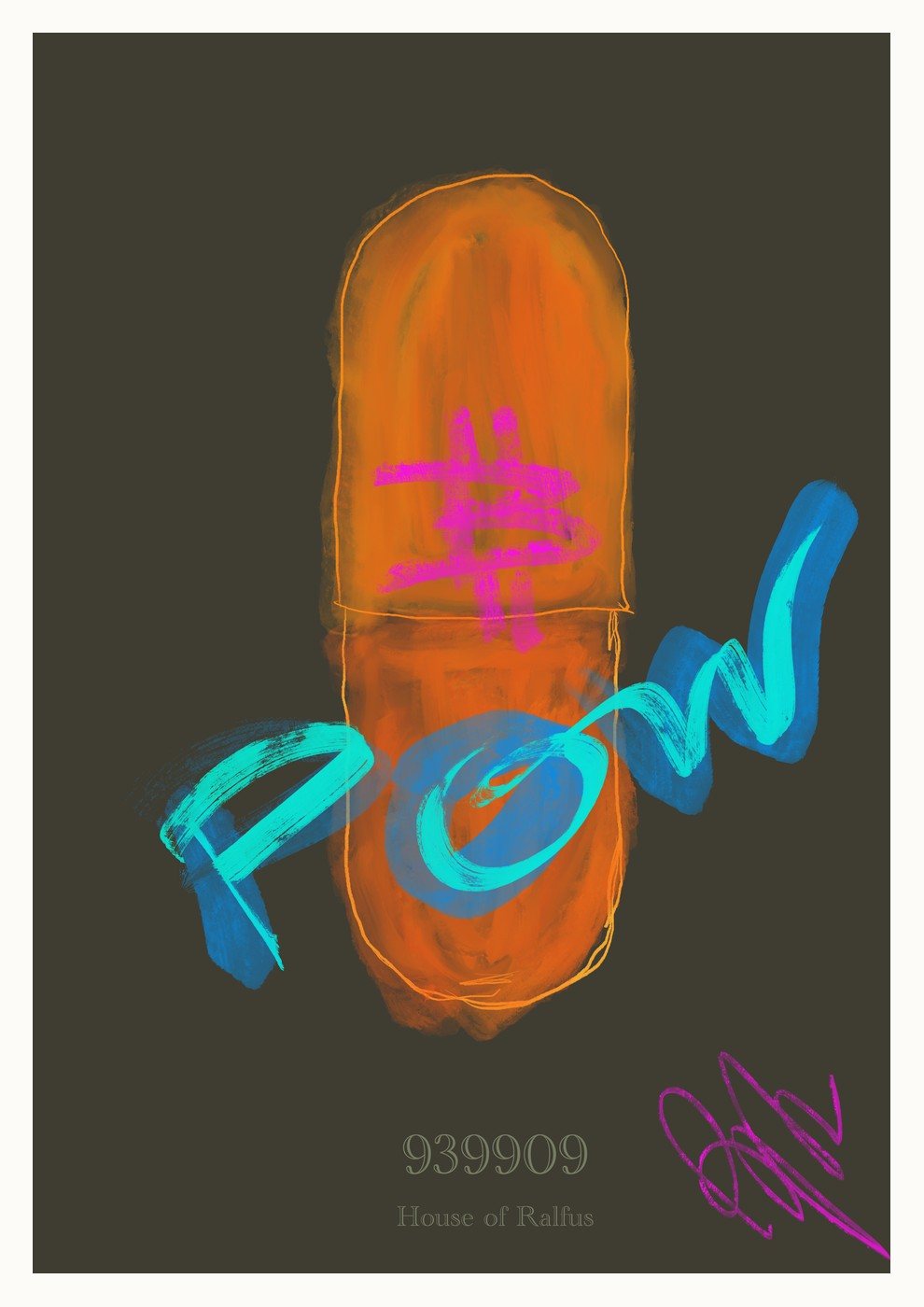
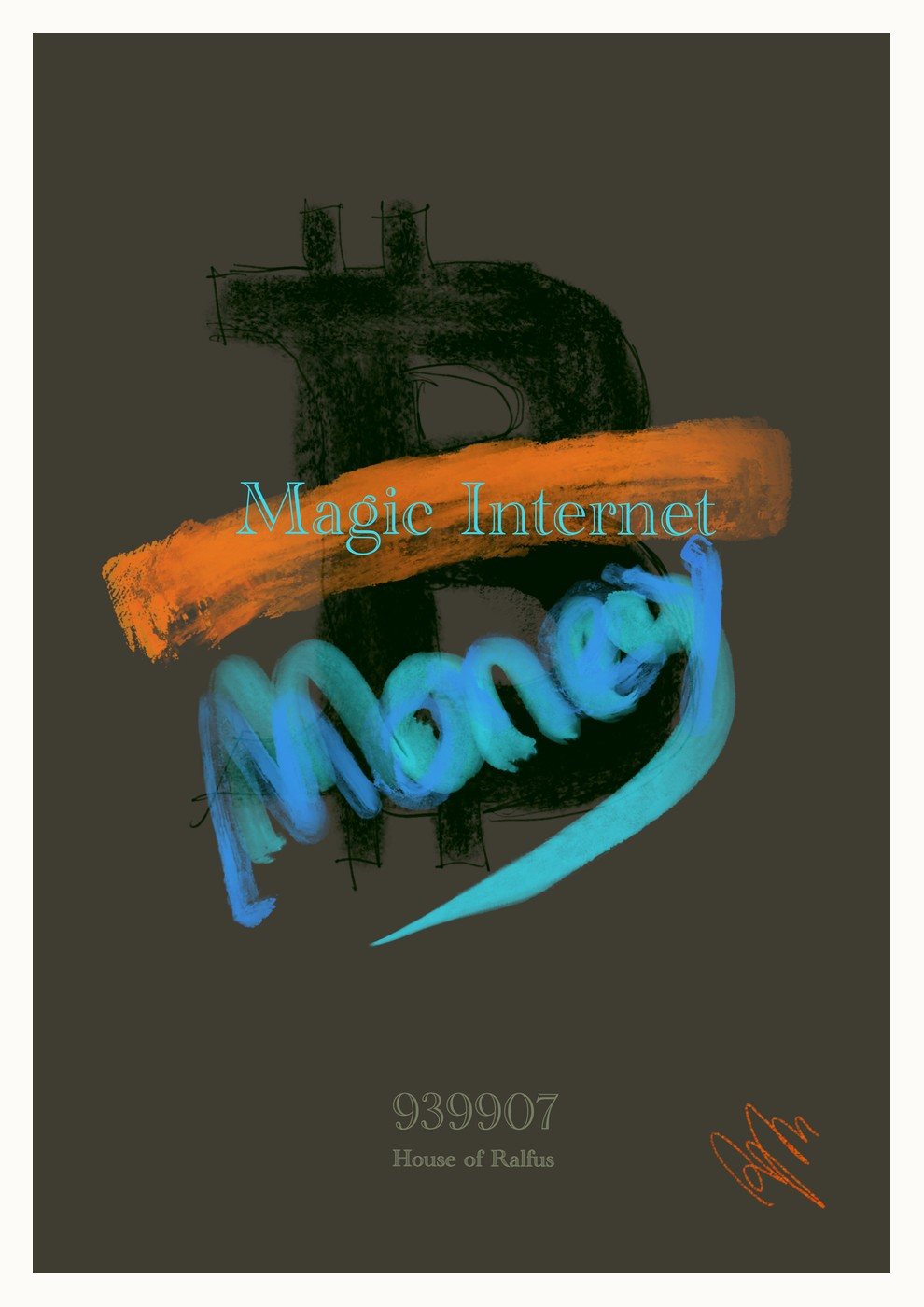
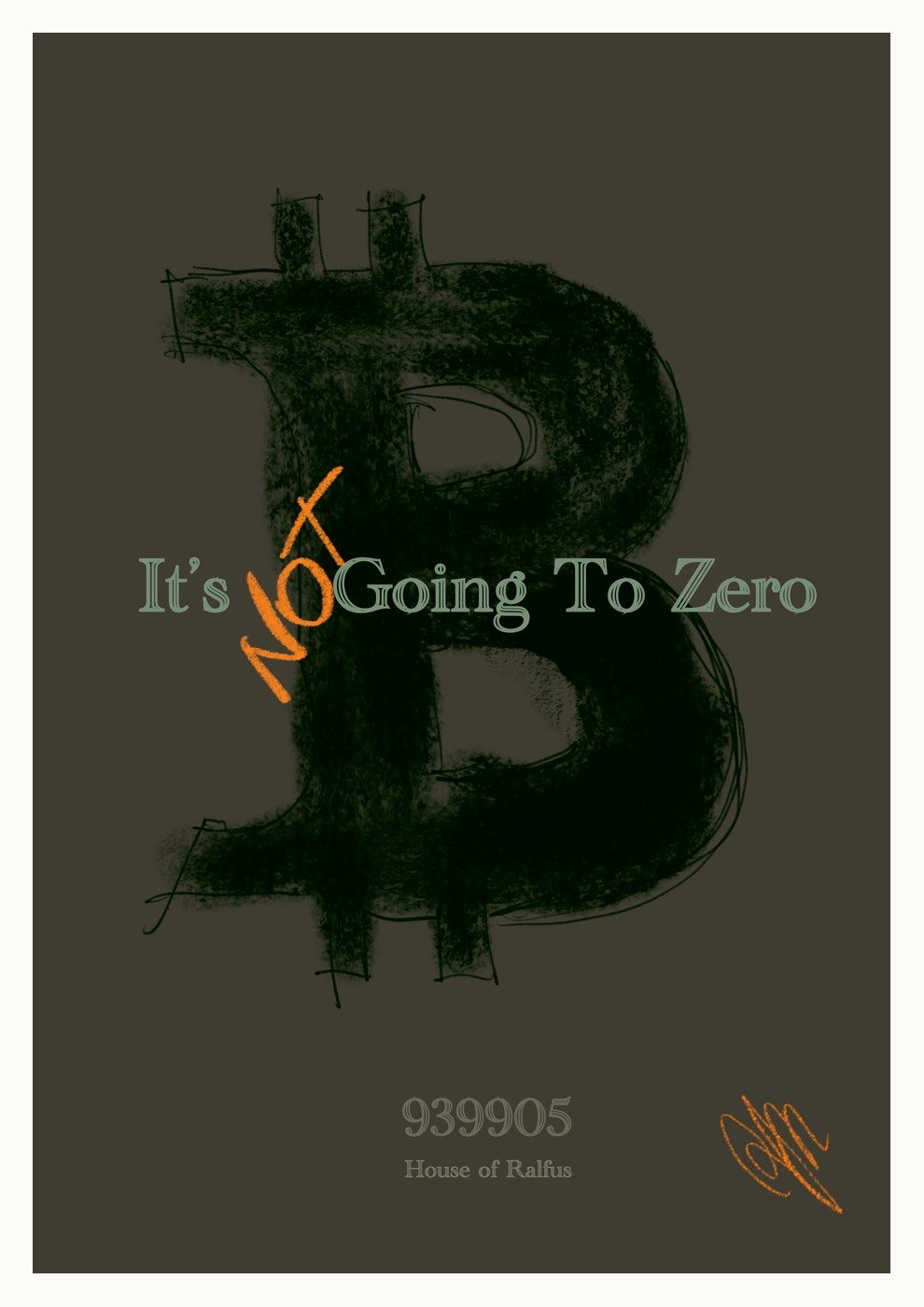
An up-and-coming Gen Z artist and fashion designer, exploring Bitcoin through art and fashion using various media, from pencil and charcoal to pastels, oils and collage. His goal is to orange pill Gen Z via art and fashion.
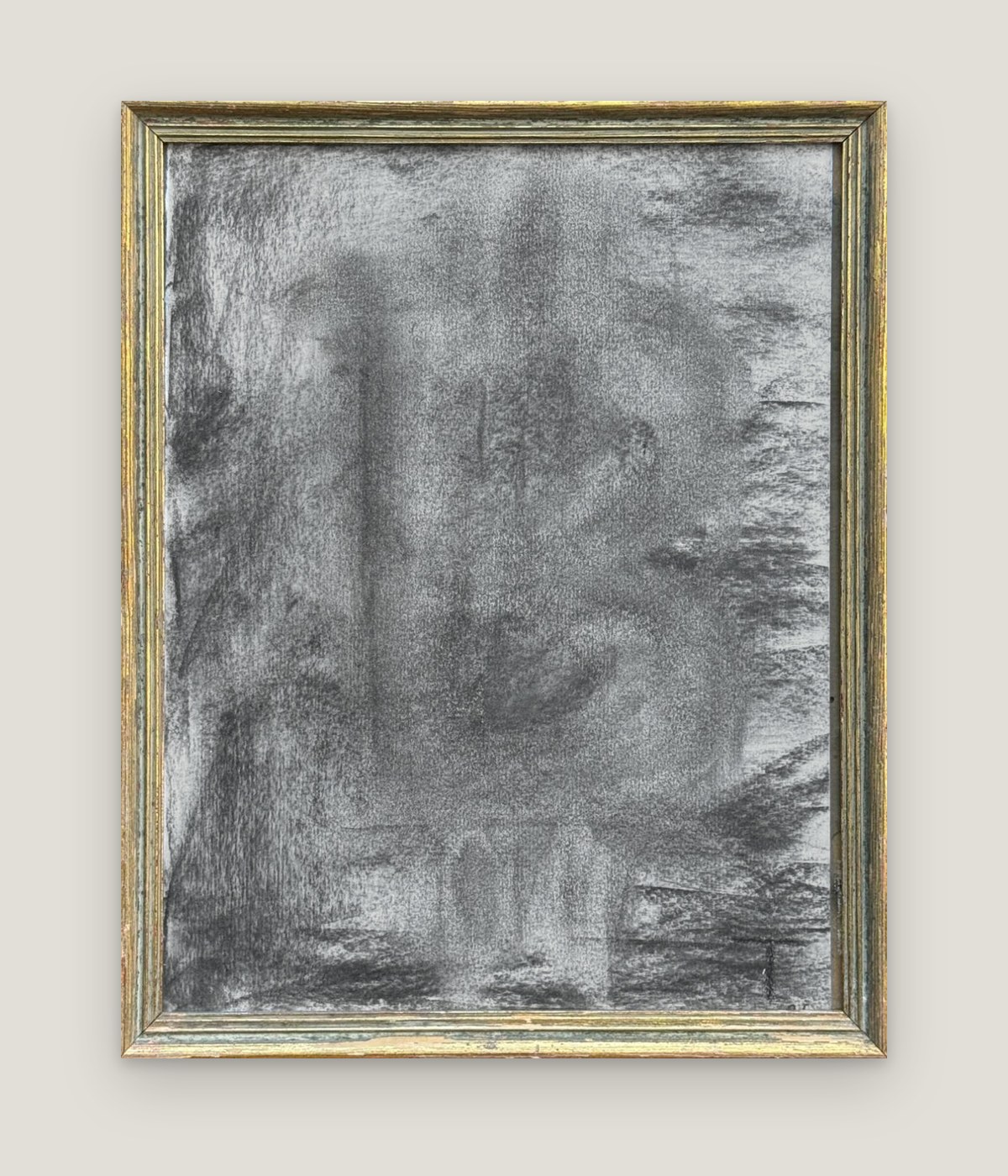
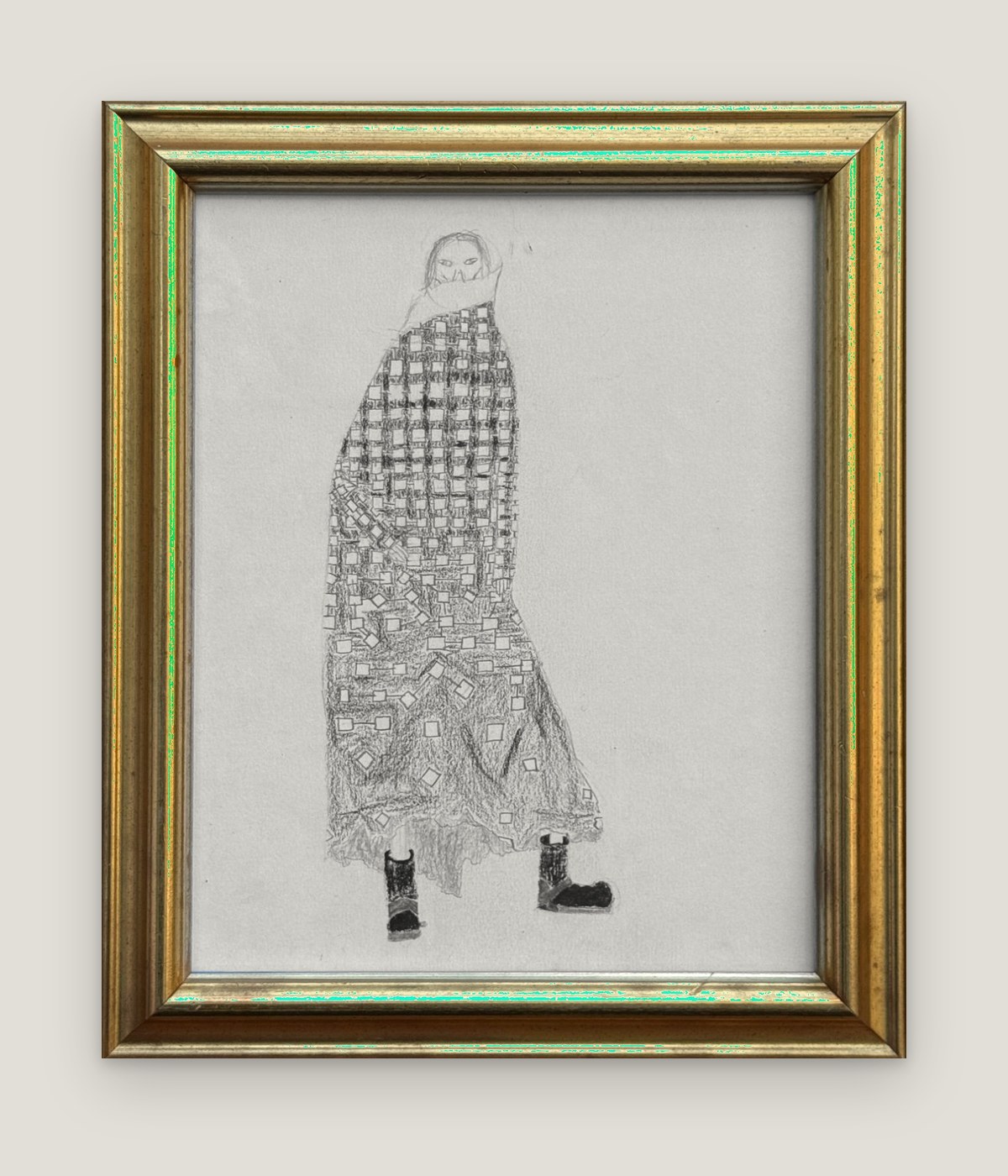
PRISM
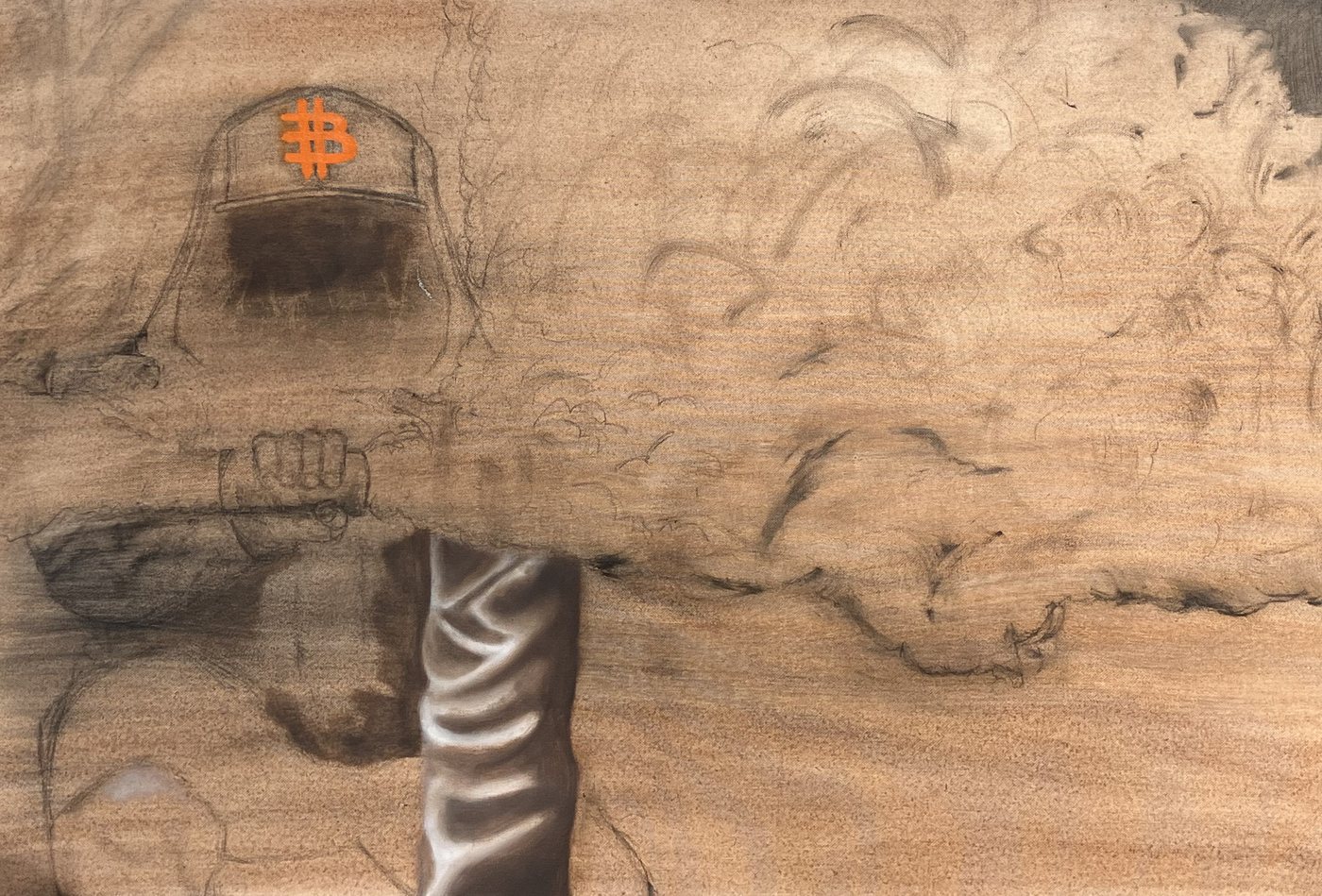
These four paintings are one set, The Colors of Revolution, sold together. For a single piece, contact the artist.
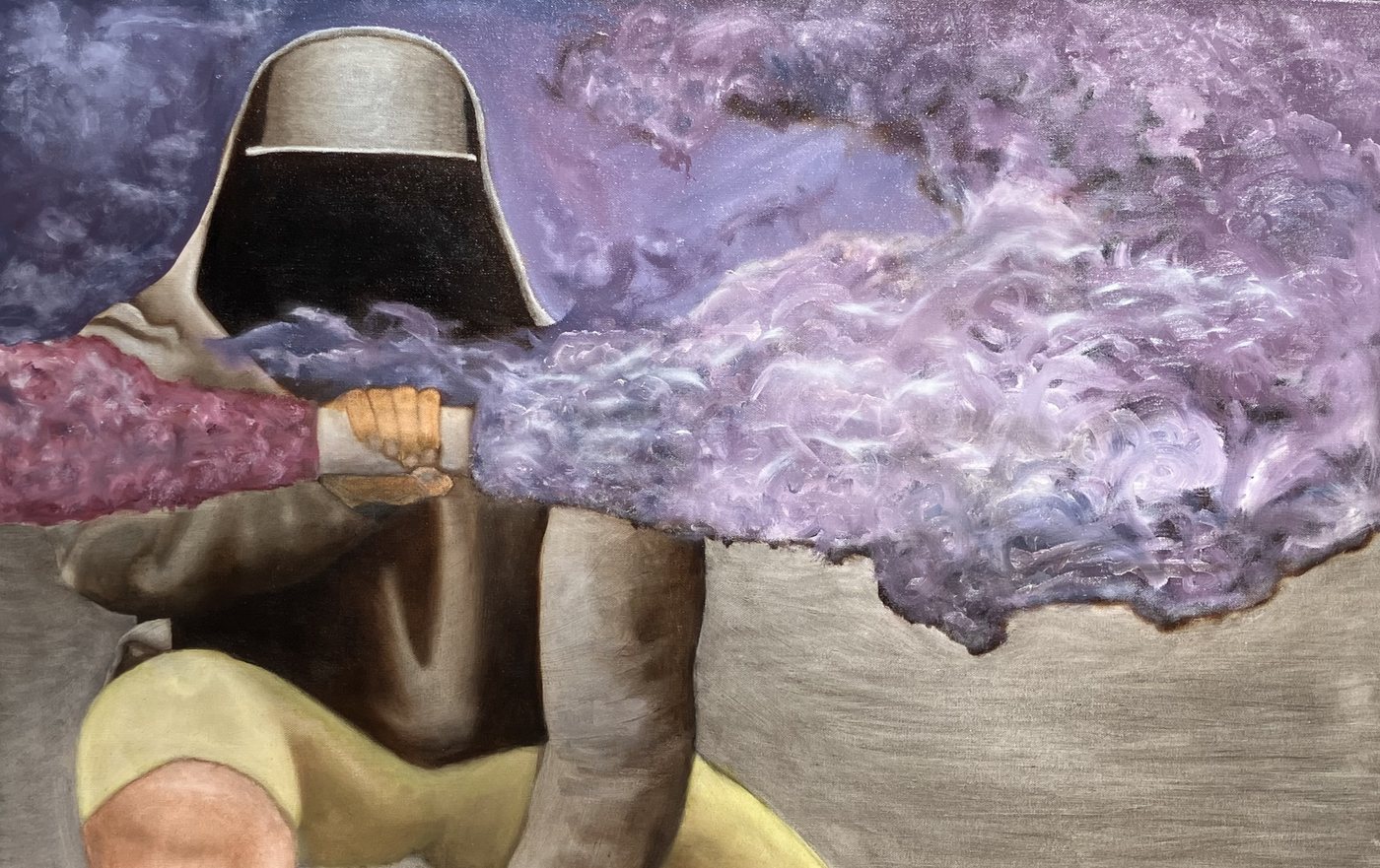
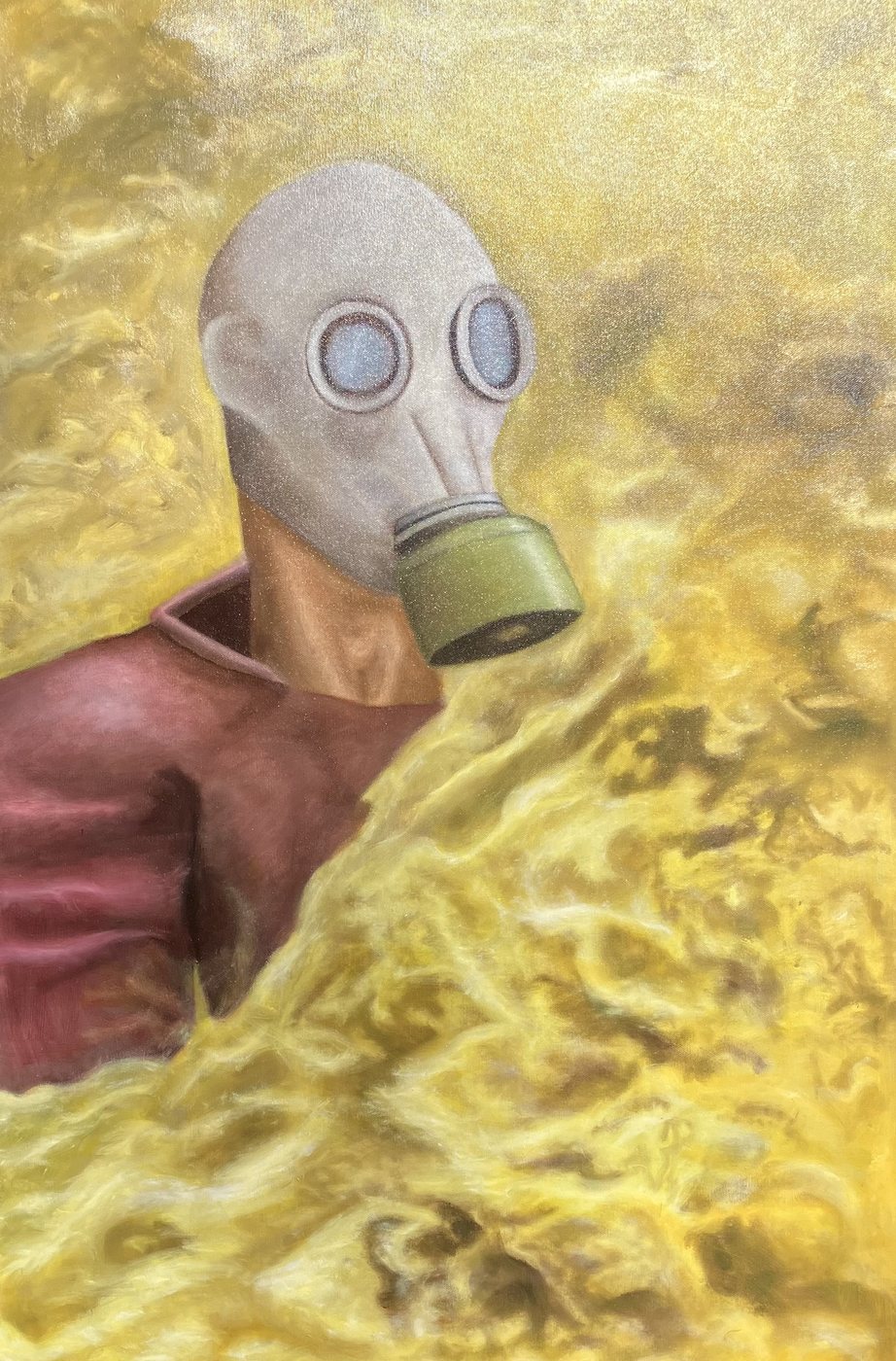
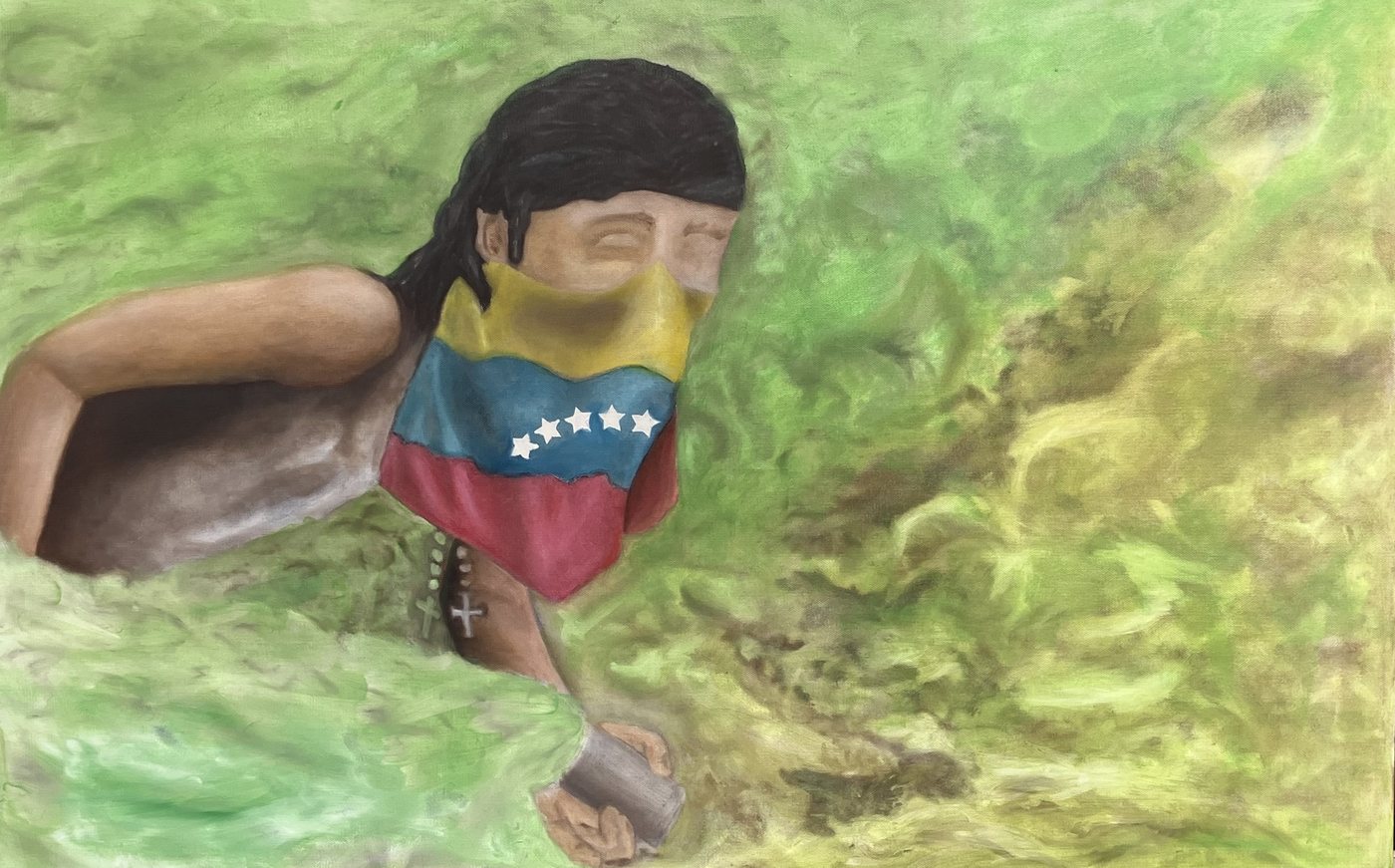
Raees
Mexican architect and visual artist based in San Salvador. Founder of Futuro Revelado. His practice explores architecture, technology, memory and cultural transformation, approaching Bitcoin as a cultural and civilisational phenomenon.
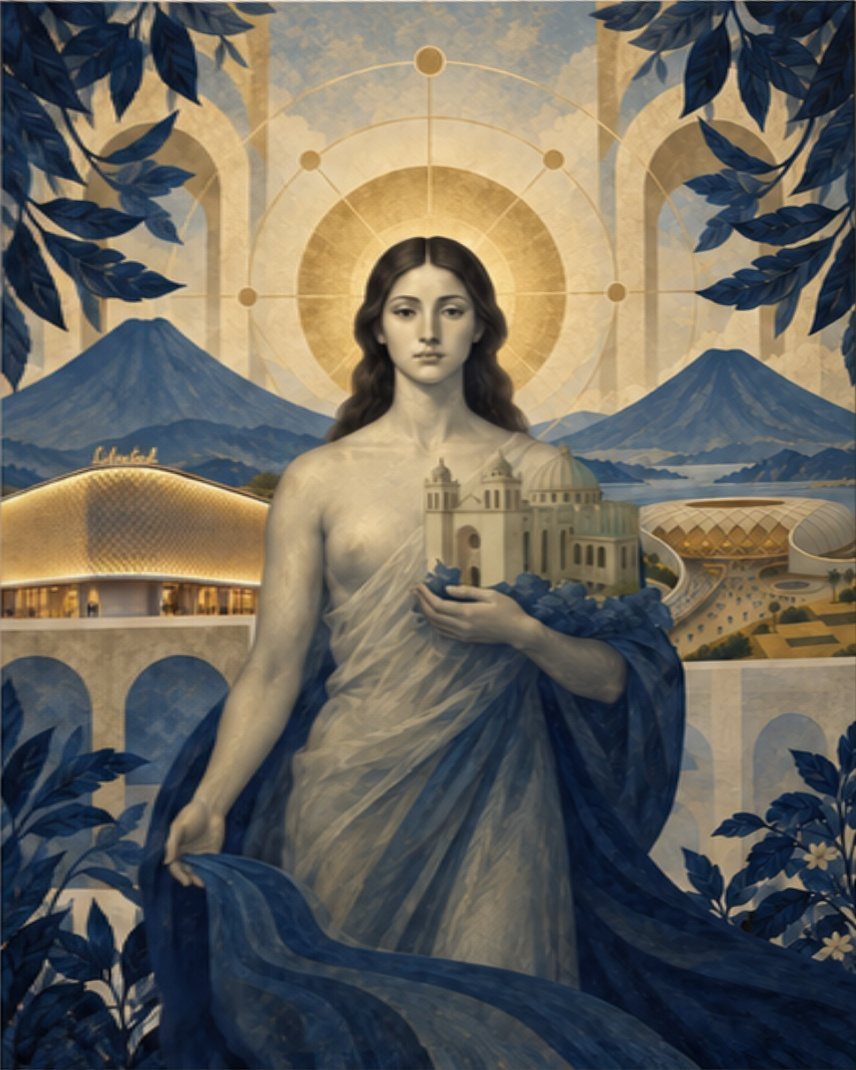
A contemporary allegory of sovereignty, memory and transformation. Framed by Salvadoran architecture and landscape, the central figure embodies guardianship over emerging forms of value.
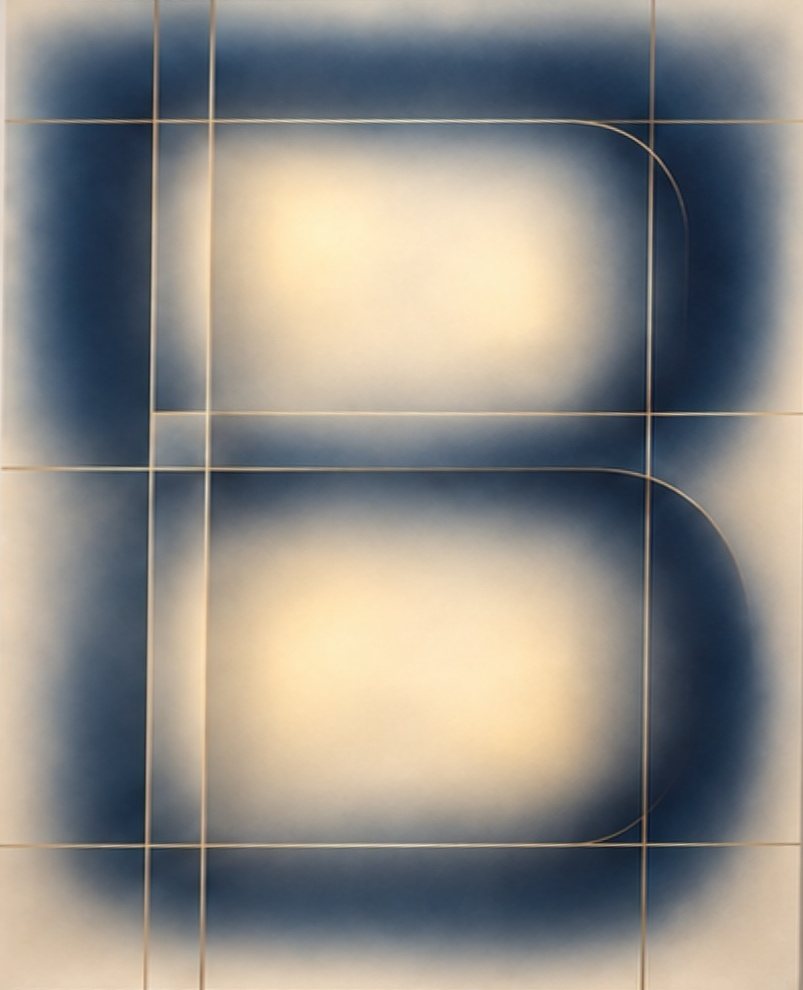
Bitcoin through abstraction, proportion and symbolic geometry. A latent B emerges from layers of blue and gold, suggesting value as a system encoded rather than displayed.
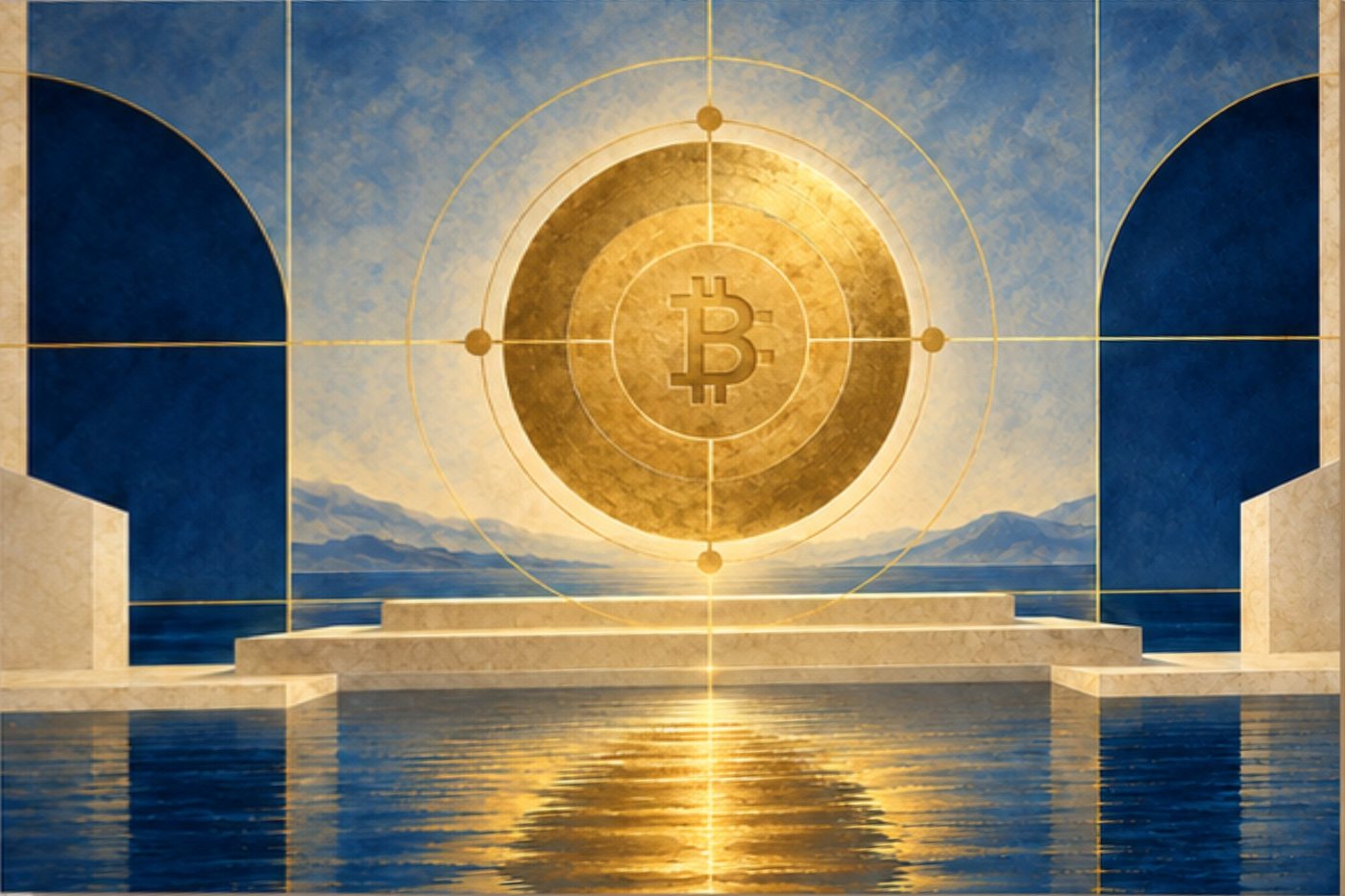
Bitcoin as a contemporary reserve of value. Through acrylic, gold-toned geometry and a radiant composition, the work evokes permanence, sovereignty and cultural renewal.
Rafael Figueroa
San Salvador, 1989. Fine Arts degree in Painting from the University of El Salvador; further study at CENAR, CCESV and MARTE. Exhibited in El Salvador, Honduras, Guatemala, the United States, Mexico, France and Spain. Artist residency in Mexico, national awards, Central American biennials, Imago Mundi, and represented El Salvador at MICBR 2025 in Brazil. Teaches painting at CENAR.
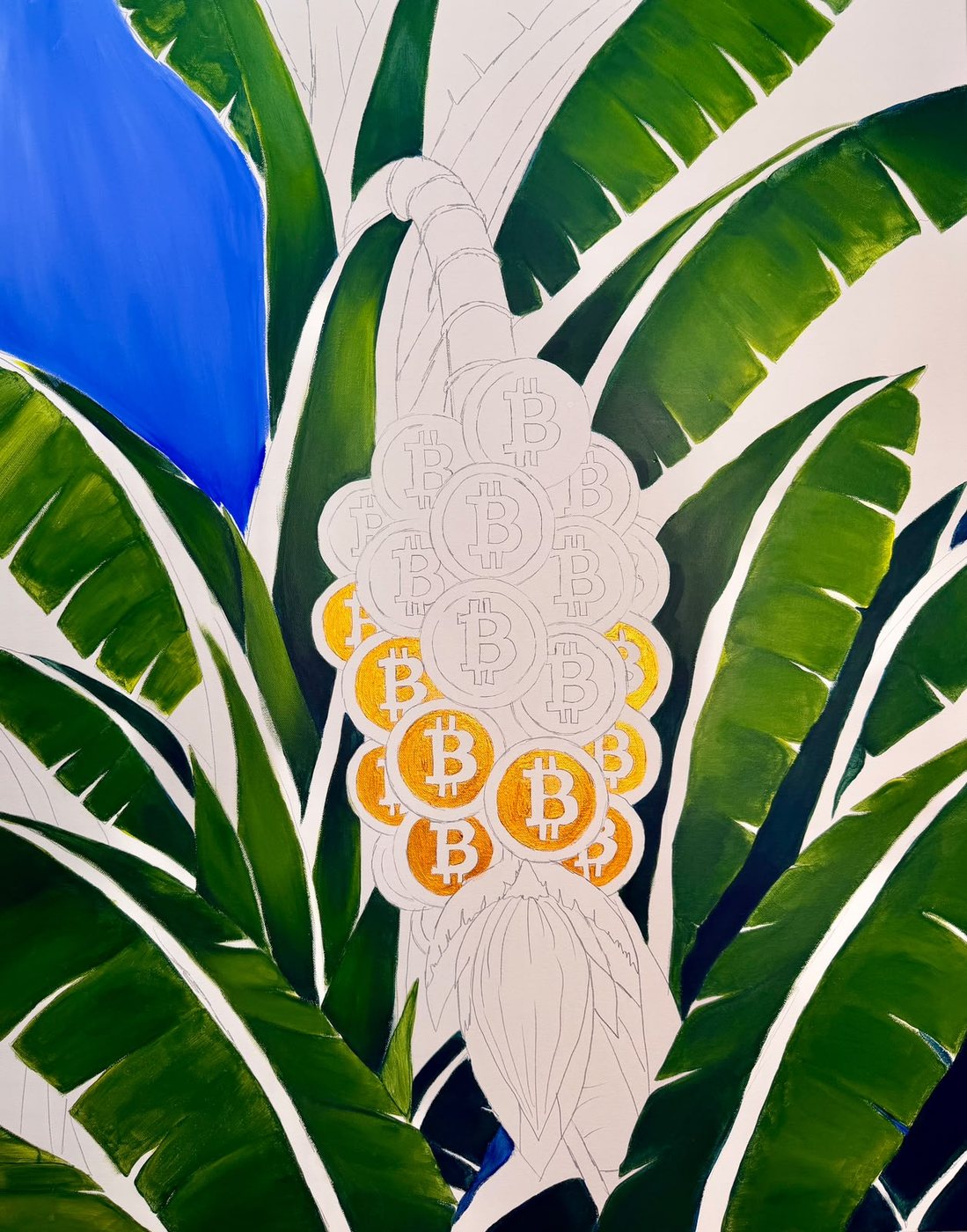
El Salvador as a territory where a new form of money is taking root. The fruits of a banana plant replaced with Bitcoins turn cultivation into a metaphor for hope: a generation plants a new economic possibility today, to be harvested by generations to come.
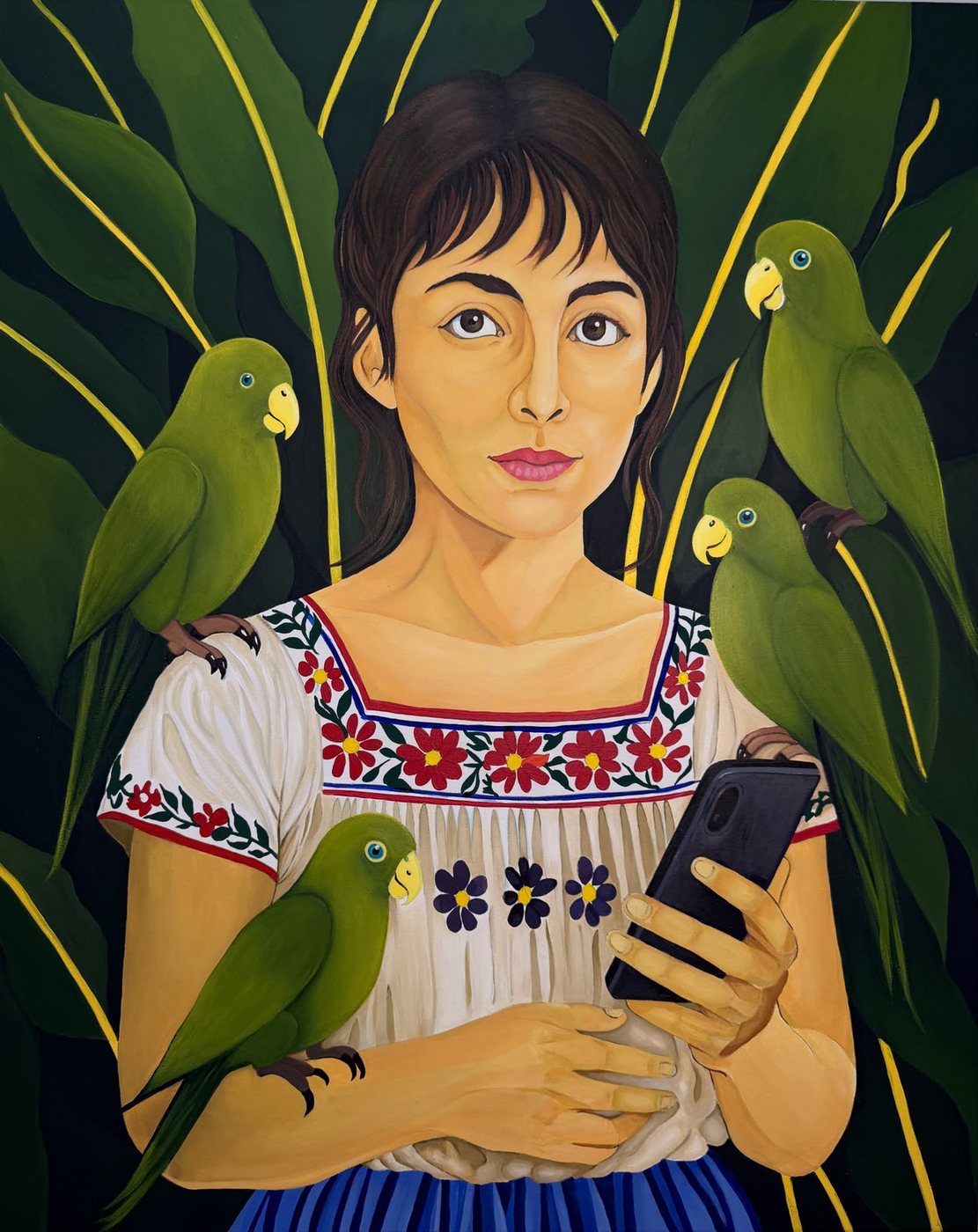
A female figure in traditional dress, parrots and a banana grove, holding a mobile phone. Cultural roots and new tools are not opposites but realities that coexist and enrich one another.
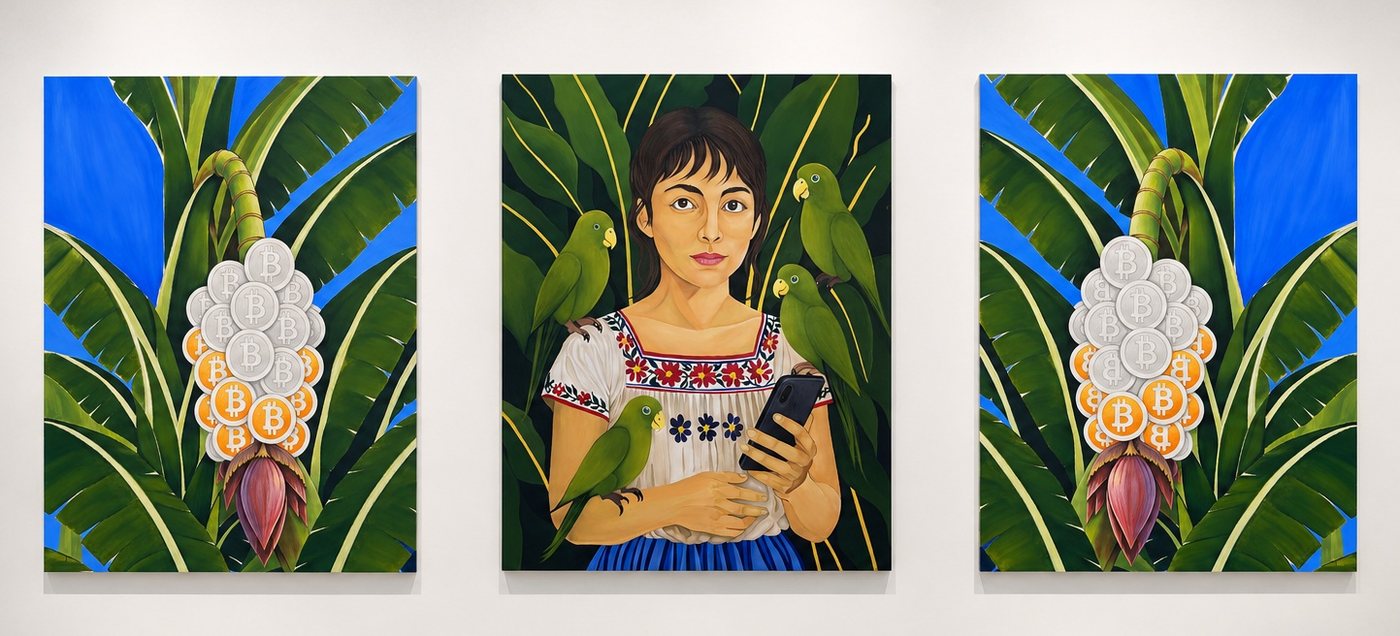
The banana plant as the roots, territory and memory of El Salvador; the Bitcoin fruit as technological and economic transformation. The future need not be built by abandoning the past, but by letting tradition and innovation grow side by side.
Rolando Chicas
El Salvador, 1989. Visual artist, educator and cultural manager focused on figurative oil painting. Exhibited in the United States, Mexico, Italy, Spain, China, Canada and New Zealand, including the Benetton Foundation. Currently Director of the National Arts Center, CENAR.
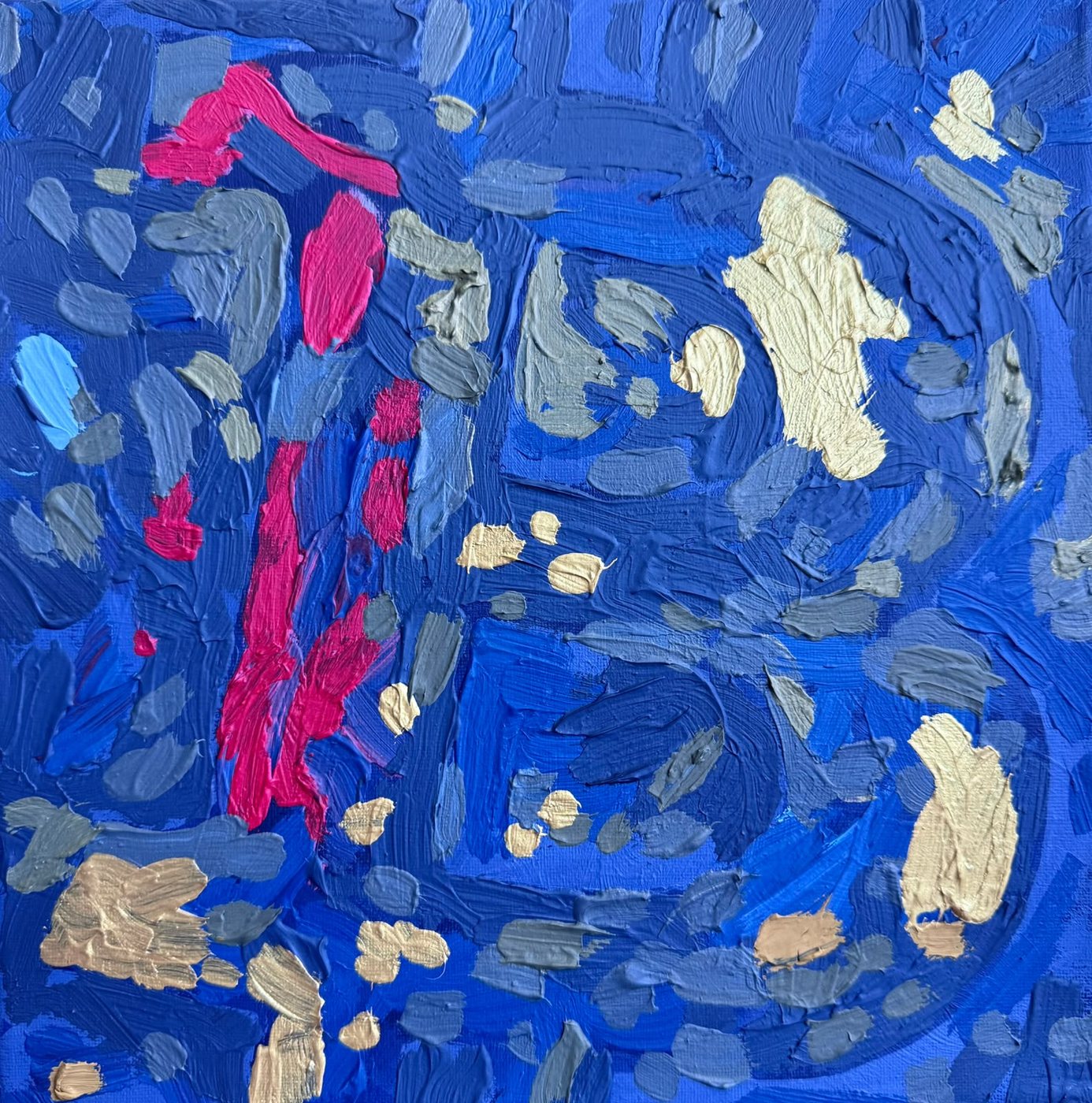
A textured blue polyptych exploring Bitcoin as both a digital system and a cultural symbol. Each square panel evokes a block within the blockchain, while the ₿ recurs to connect the parts into one structure. The tactile surface contrasts with the intangible nature of digital money.
Romina Melero
Romina Melero (Venezuela, 1974) is a ceramic sculptor and multidisciplinary artist based in Spain. She is currently on an artistic residency at the National Centre for the Arts (CENAR) in El Salvador, exploring local earths and the processes of ceramic transformation. Her work addresses the female body as a symbolic territory of memory, rootedness and transcendence, using hand building, oxides and fire. She has exhibited in Spain, Denmark and El Salvador, and her work is in private and institutional collections.
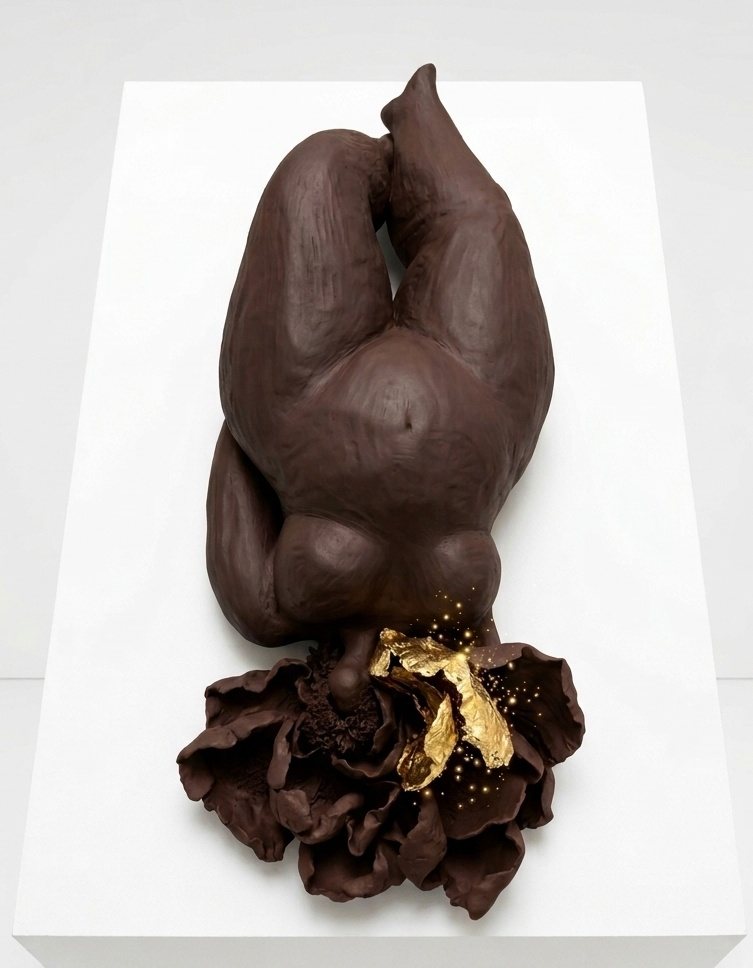
A reclining figure in textured black clay, looking towards the future. The layered veils echo the block structure of Bitcoin, safeguarding its value. From the sculpture grows a petal with flashes of gold, a symbol of prosperity and of the financial hope passed down to future generations.
Sandra Amador
Sandra Amador is a Mexican artist living in El Salvador since 2016. She studied art in the United States and has built a practice in sculpture and design, adding diplomas at CENAR. She works in metal, sheet and stainless steel, reinterpreting the human figure through geometric form and movement. She has exhibited at MARTE and Rozas Botrán in Guatemala, held a solo show at Hyatt Centric El Salvador where her work is on permanent display, and is in private collections in several countries.
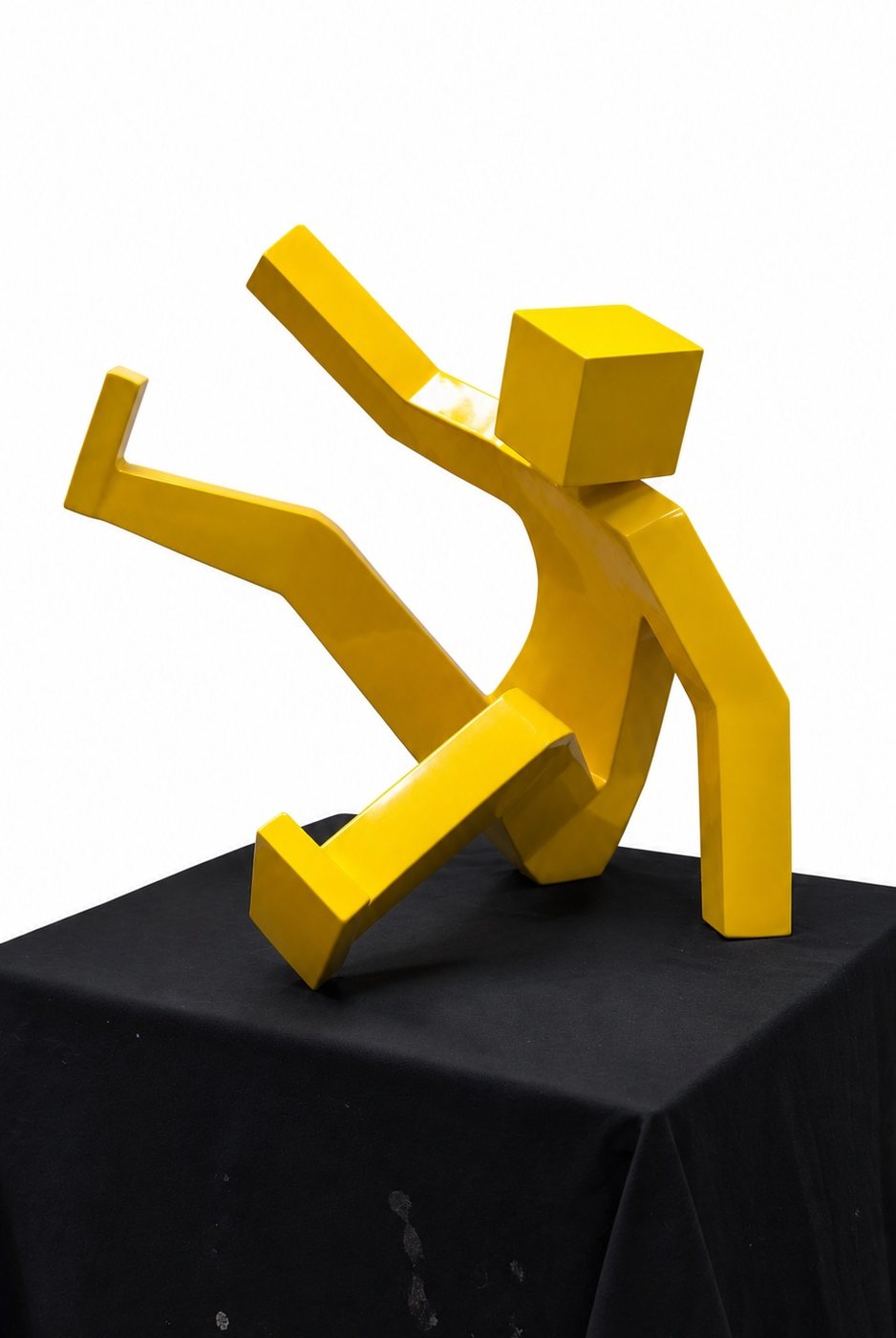
On the Rise was born from the idea of making a material as rigid as metal express movement and emotion. The figure, mid-laugh, conveys joy and optimism. For me the work speaks of freedom, and of the impulse that carries us forward and makes us always look up.
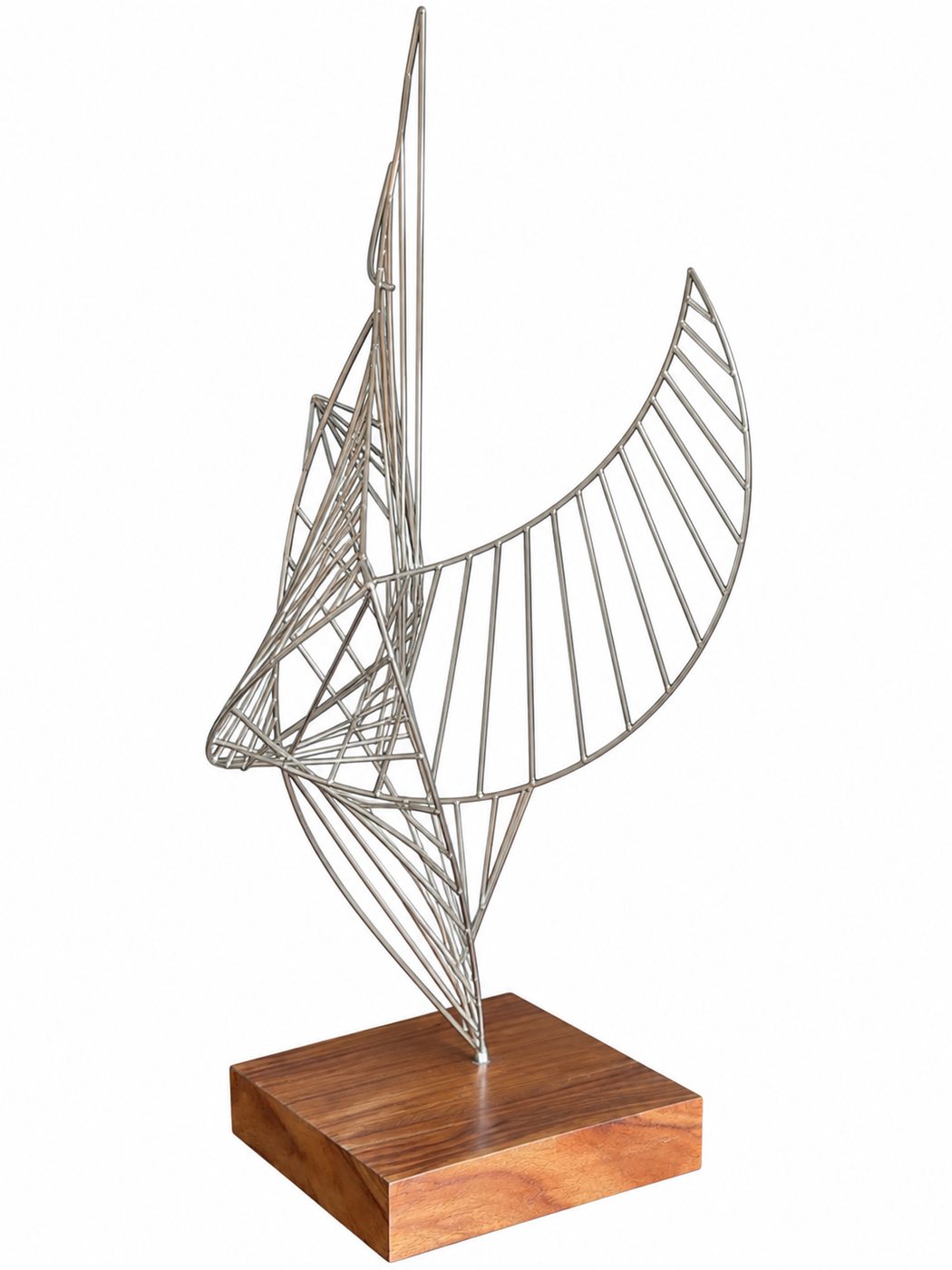
Let's Dance comes from my wish to give movement to metal. The rods form a dancing figure, and I love how, when the light falls on it, the shadows seem to dance on the wall too. For me this work stands for joy, freedom, and simply letting go.
Studio Zeitwerk
Known as ₿-art. His claim: study Bitcoin's beauty through art. His sculptures melt down fiat money, a symbol of a broken system slowly reaching its end, from which Bitcoin rises as a new base layer.
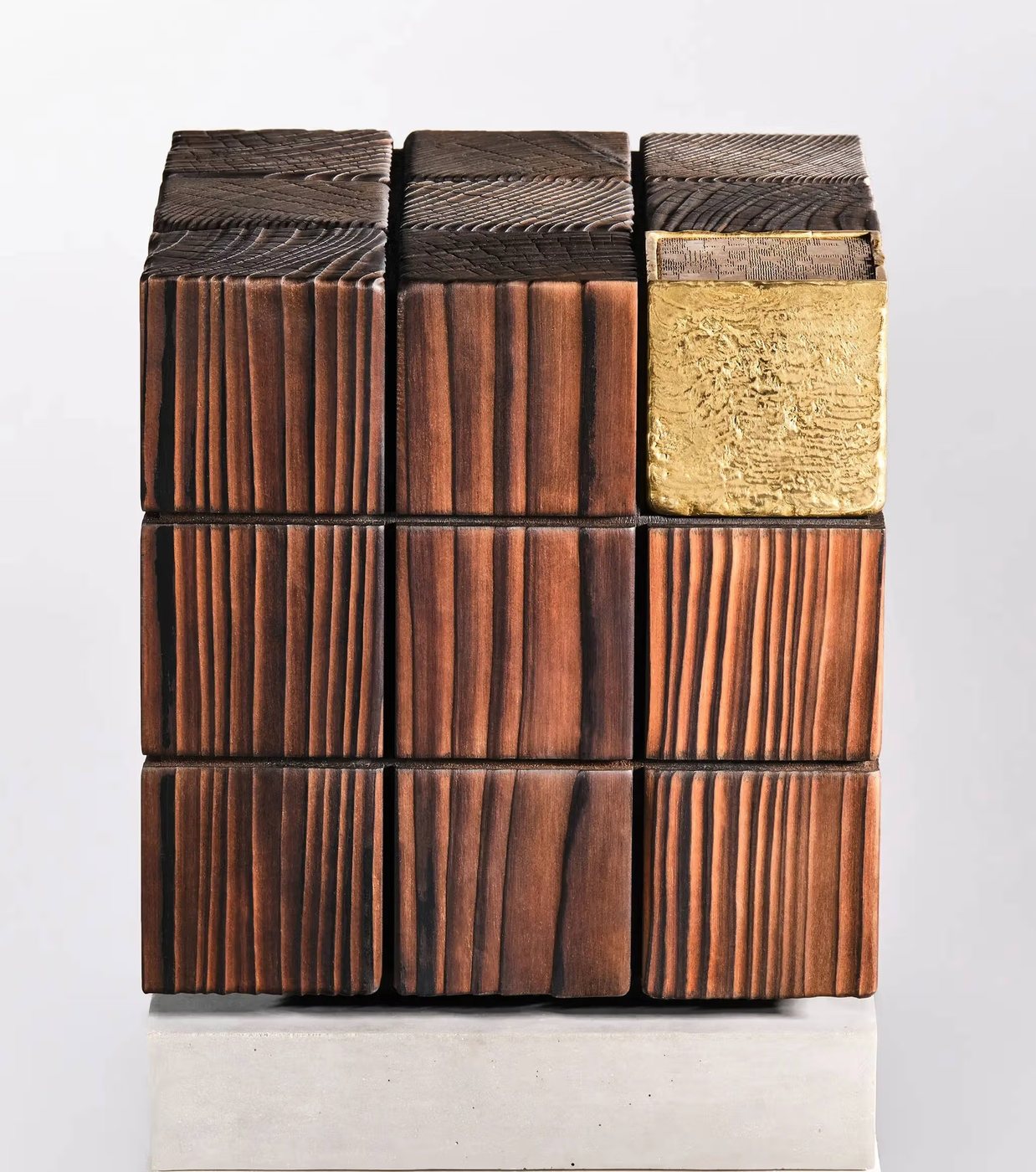
A limited edition of 100 unique sculptures translating Bitcoin's timechain into physical form. Twenty-five wooden blocks evoke time and Proof of Work, concrete anchors the Genesis Block, and a final block cast from melted fiat coins is crowned with gold.
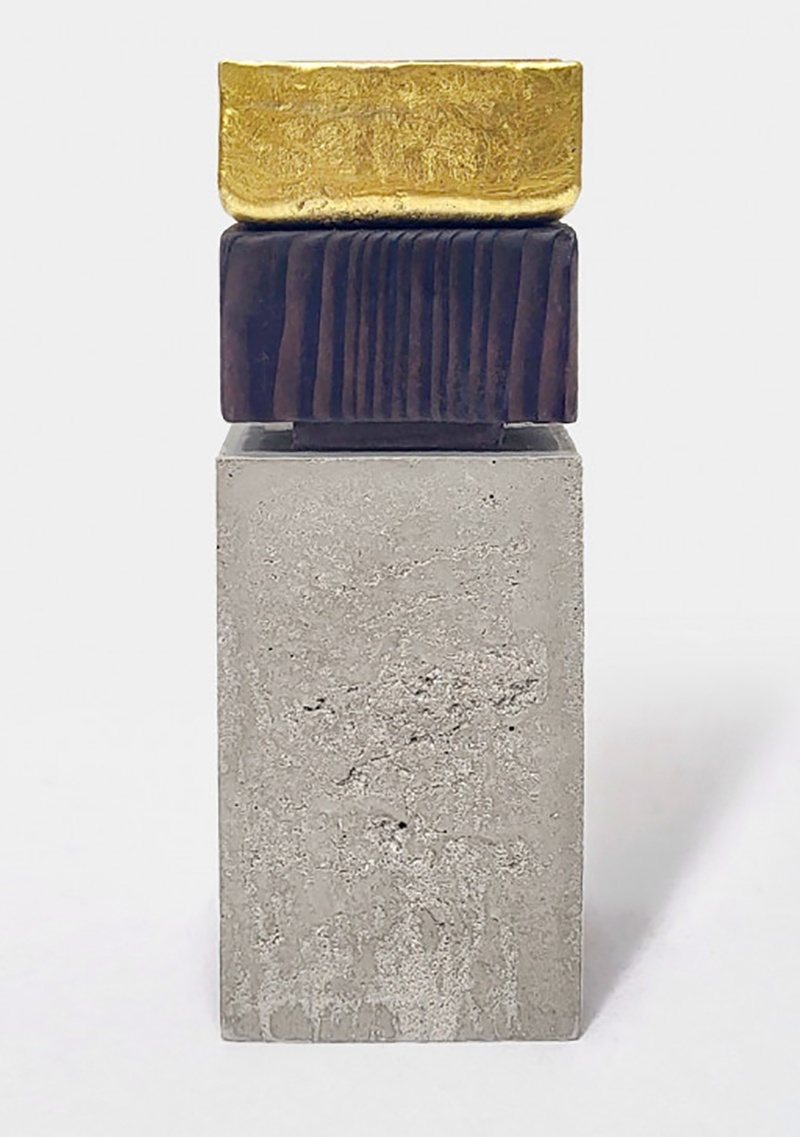
Transforms a personally chosen Bitcoin block into a physical artifact, engraved with a meaningful block height, linking memory, history and the Timechain.